Hey 😌
So… you’ve been thinking about your diet a little differently lately. Saving posts about a plant-based diet, side-eyeing meat a lil bit, wondering if eating more plants could be your thing.
And now your brain is spiraling like:
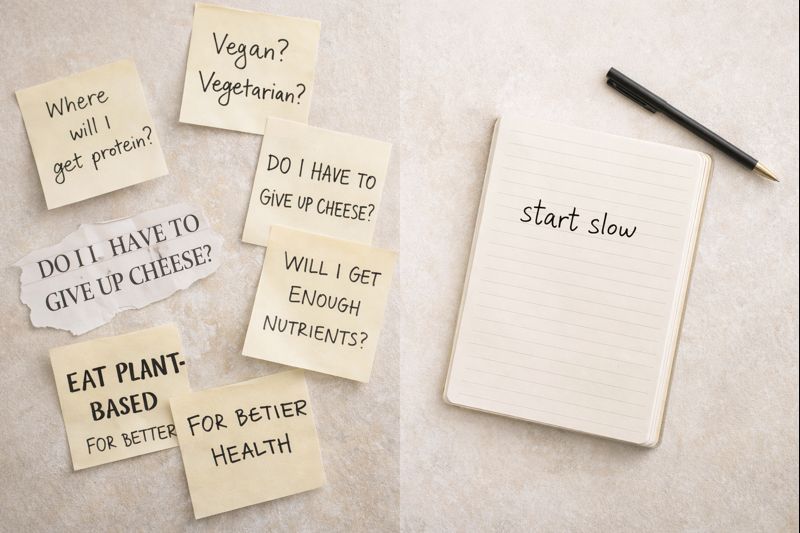
Is this vegan? Vegetarian? Do I have to give up cheese? What about protein? Am I doing too much?
Let’s be real…you’re not confused because you can’t do this. You’re confused because nobody explained how going plant-based actually works in real life. So breathe, plant bae , This is the calm, no-pressure guide you didn’t know you needed.
🔗 Same Season : what overwhelms beginners when going plant-based → Season 1 Episode 1: “Why Plant-Based Feels Intimidating.”
Why a Plant-Based Diet Feels Overwhelming at First

What you’ll get from this section:
• Emotional clarity (so you stop side-eyeing yourself)
• A calm explanation of why this feels heavier than it “should”
• Permission to slow your roll without guilt
Let’s be real for a second. Thinking about a plant-based diet doesn’t feel overwhelming because it’s hard…it feels overwhelming because nobody ever framed it gently.
One minute you’re excited about the benefits of a plant-based diet…more energy, lighter digestion, lower cholesterol, fewer worries about heart disease. The next minute, your brain is sprinting through worst-case scenarios like it’s training for the Olympics.
What about protein?
What about meat?
What about nutrients?
What if I mess up my diet entirely?
That emotional whiplash? Completely normal.
For beginners, the overwhelm usually comes from trying to change everything at once…your eating pattern, your identity, your routines, and how other people see you. Nobody tells you that transitioning to a plant-based lifestyle isn’t just about food…it’s about unlearning pressure and relearning trust.
This isn’t you being dramatic. This is your nervous system asking for reassurance before it agrees to try something new.
The Real Reasons Beginners Feel Stuck Before They Start
What you’ll get from this section:
• Relief from self-blame
• A clearer picture of what’s actually blocking you
• Confidence to move forward without forcing anything
Here’s the tea 🍵—most people don’t fail at starting a plant-based diet. They freeze before they ever begin.
And it’s not because they’re lazy or inconsistent. It’s because the way plant-based eating is talked about online can feel loud, judgmental, and all-or-nothing.
It’s Framed as a Personality Change, Not a Diet Shift
Somehow, a simple diet choice got wrapped up in identity politics, aesthetics, and labels. Suddenly, eating more vegetables feels like you’re supposed to become a whole new person.
But listen…“Think diet upgrade, not a personality rebrand.”
You can eat plant-based food without announcing it.
You can reduce meat without cutting it forever.
You can explore without committing to being vegetarian or vegan.
A plant-based diet for beginners should feel flexible, private, and supportive…not like a public rebrand you didn’t consent to.
Online Advice Skips the Emotional Transition
There’s endless information about plant-based food…lentils, quinoa, tofu, black beans, whole grains, nuts and seeds. Plenty of talk about nutrients, diabetes prevention, and reducing saturated fat.
But nobody pauses to say: “Hey, it’s okay if this feels confusing at first.”
The emotional transition matters just as much as the nutritional one. When reassurance is missing, beginners assume they’re failing…when really, they’re just learning.
🔗 Cross-Season Support: feeling overwhelmed going plant-based → Nutritional Confidence Season: “Eating Without Fear or Food Guilt”
Fear of Judgment (From Others and Yourself)
Let’s not ignore the elephant at the table.
People asking why you’re not eating meat.
Family questioning dairy changes.
Friends joking about vegan stereotypes.
And then there’s you…quietly judging yourself for not being “consistent enough.”
That pressure alone can make even the most motivated person pause. And that pause doesn’t mean stop…it just means you need a softer entry point.
Plant-Based vs Vegetarian or Vegan Diet— What’s the Difference?
What you’ll get from this section:
• Clear definitions without pressure
• Freedom from label confusion
• Confidence choosing what actually fits your life
This is where so many beginners spiral, so let’s clean it up.
A vegetarian diet usually removes meat but may still include dairy or eggs.
A vegan diet removes all animal products.
A plant-based diet, though? That’s about emphasis, not elimination.
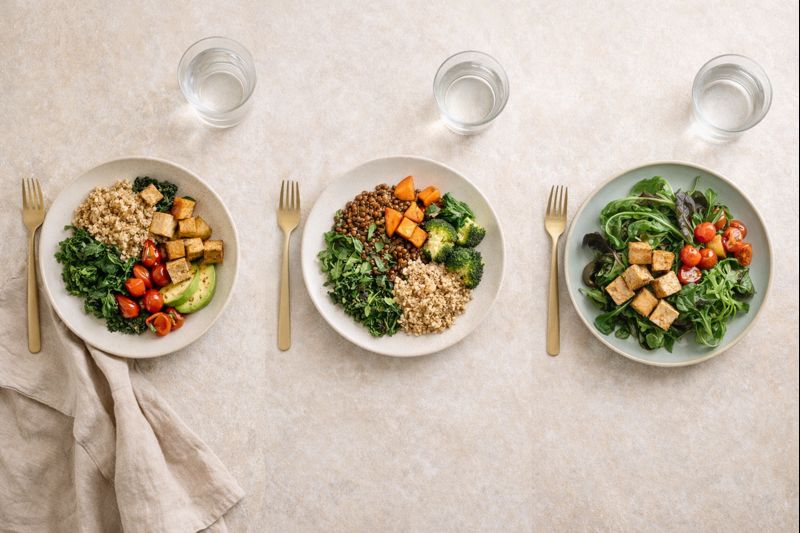
It focuses on plant foods…fruits and vegetables, whole grains like brown rice, legumes, nuts, seeds…while giving you room to decide what stays, what goes, and what changes slowly.
You do not have to decide whether you’re vegetarian or vegan to eat plant-based meals. You don’t owe anyone a label. You owe yourself a balanced diet that feels doable for you.
How to Start a Plant-Based Diet With Confidence
What you’ll get from this section:
• A grounded, beginner-friendly mindset
• Less overwhelm, more trust
• A way to start without burning out
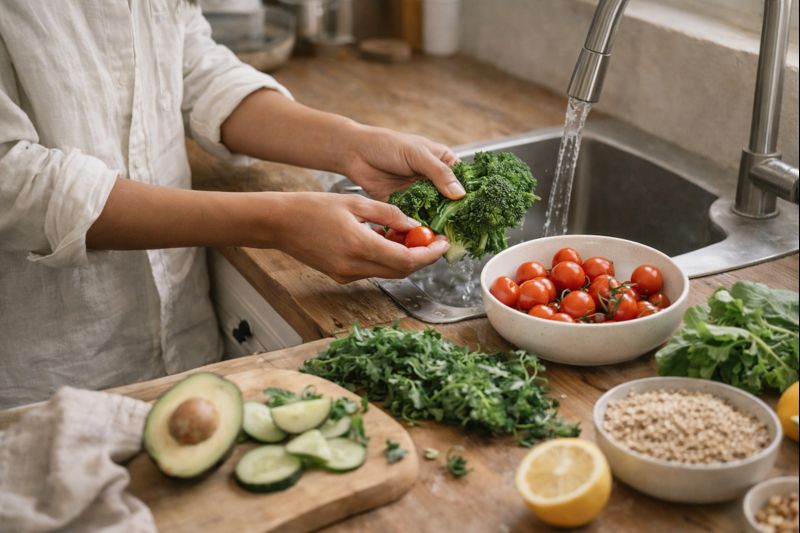
Starting a plant-based diet doesn’t require a grocery haul, a meal plan overhaul, or a dramatic farewell to your favorite foods.
Treat This Like Exploration, Not Commitment
Instead of asking, “Can I do this forever?” try asking, “What happens if I eat plant-based more often?”
Exploration builds confidence. Control builds resistance.
When you allow curiosity, you naturally start to eat plant-based more without forcing it.
Observe Before You Change
Before you swap anything, notice your patterns. Which meals already lean plant-based? Where could vegetables slide in effortlessly? What foods are high in nutrients without feeling restrictive?
Observation builds awareness…and awareness builds sustainable change.
Redefine Success for Your Season of Life
Success doesn’t mean perfection. It means nourishment, consistency, and building a diet that supports your body and your real schedule.
A balanced, flexible approach beats rigid rules every time.
Practical Moves for Eating More Plants
What you’ll get from this section:
• Gentle momentum
• Zero guilt
• Real-life application
This is where we keep it cute and realistic:
Add vegetables before subtracting anything
Use lentils, legumes, quinoa, black beans, tofu, and brown rice as easy anchors
Focus on foods high in fiber and nutrients
Reduce processed food slowly, not dramatically
Let flexibility be part of your eating pattern
Beginner Truths About a Plant-Based Diet:
- You don’t have to go vegan to eat plant-based
- Diet changes work best when gradual
- Eating more plants improves diet variety
- A plant-based diet supports heart health and cholesterol
- Ease matters more than perfection
What to Remember When Transitioning to a Plant-Based Lifestyle
What you’ll get from this section:
• Emotional grounding
• Long-term reassurance
• Confidence to keep going

You are not behind.
You are not late.
You are not failing your diet.
You are learning how to nourish yourself differently…and that deserves patience.
Transitioning to a plant-based is meant to support your life, your health, and your peace. If it feels chaotic, slow it down. Ease is part of the lifestyle, not a reward.
What’s Coming Next in This Season
Next episode, we’re unpacking why beginners quit…not because they can’t eat plant-based, but because information overload makes them freeze.
We’re breaking down how to filter advice, avoid spirals, and trust your process.
🔗 Same Season: Why Plant-Based Feels Intimidating → Season 1 Episode 1
Plant-Based Diet FAQs for Beginners
“If you’re still sitting with a few quiet questions, let’s clear those up—no pressure, no panic.”
- What is a plant-based diet? A plant-based diet focuses on eating mostly whole plant foods like vegetables, fruits, whole grains, legumes, nuts, and seeds. It limits or avoids animal products while emphasizing nutrients, fiber, and variety to support overall health and long-term sustainability.
- Is a plant-based diet the same as vegan? A plant-based diet is not the same as vegan. Veganism avoids all animal products for ethical reasons, while a plant-based diet focuses on eating mostly plant foods for health. Some people eating plant-based may still occasionally eat meat or dairy.
- How do I start a plant-based diet?
To start a plant-based diet, begin by adding more fruits, vegetables, whole grains, and legumes to your meals. Gradually reduce meat and processed food, plan simple meals, and focus on balance rather than perfection while building a sustainable eating pattern. - What are the benefits of a plant-based diet? The benefits of a plant-based diet include improved heart health, better blood sugar control, lower cholesterol, and increased fiber intake. Eating more plant foods may also support weight management and reduce the risk of chronic conditions like diabetes and heart disease.
- Can you get enough protein on a plant-based diet? Yes, you can get enough protein on a plant-based diet by eating foods like lentils, black beans, tofu, quinoa, nuts, seeds, and whole grains. Eating a variety of plant foods throughout the day helps meet protein and nutrient needs naturally.
- Is a plant-based diet healthy for beginners? A plant-based diet is healthy for beginners when it includes a variety of whole foods like vegetables, fruits, legumes, and whole grains. Focusing on balance, meal planning, and nutrient-dense plant foods helps support energy, digestion, and long-term success.
- What foods do you eat on a plant-based diet? Foods eaten on a plant-based diet include vegetables, fruits, whole grains, legumes, nuts, seeds, and plant-based foods like tofu and lentils. Many people limit meat, dairy, and processed food while focusing on meals built around fiber-rich, nutrient-dense plant foods.
If this helped you breathe a little easier, stay close 🌿 This season is designed to help you eat plant-based with confidence, not chaos.
The glow-up is gentle.
The diet shift is yours.
And baby… you’re doing just fine 💚