Smart Ways to Get More Veggies: Simple Tips to Use Fruits and Vegetables Every Day
Looking for ways to strengthen your plate without turning your meals bland or boring? This guide breaks down realistic ways to get more veggies into your day, one simple habit at a time. You’ll see how a few smart tweaks with fruits and vegetables can boost your health, support weight management, and keep every bite satisfying, flavorful, and fun to eat.
Why Do We Need to Eat Vegetables Every Day?
What you’ll get from this section:
- A clear breakdown of why vegetables matter way beyond “because they’re healthy.”
- An easy way to think about colorful veggies and what each shade brings to your body.
- A reminder that variety is your secret weapon for real, long-term nourishment.
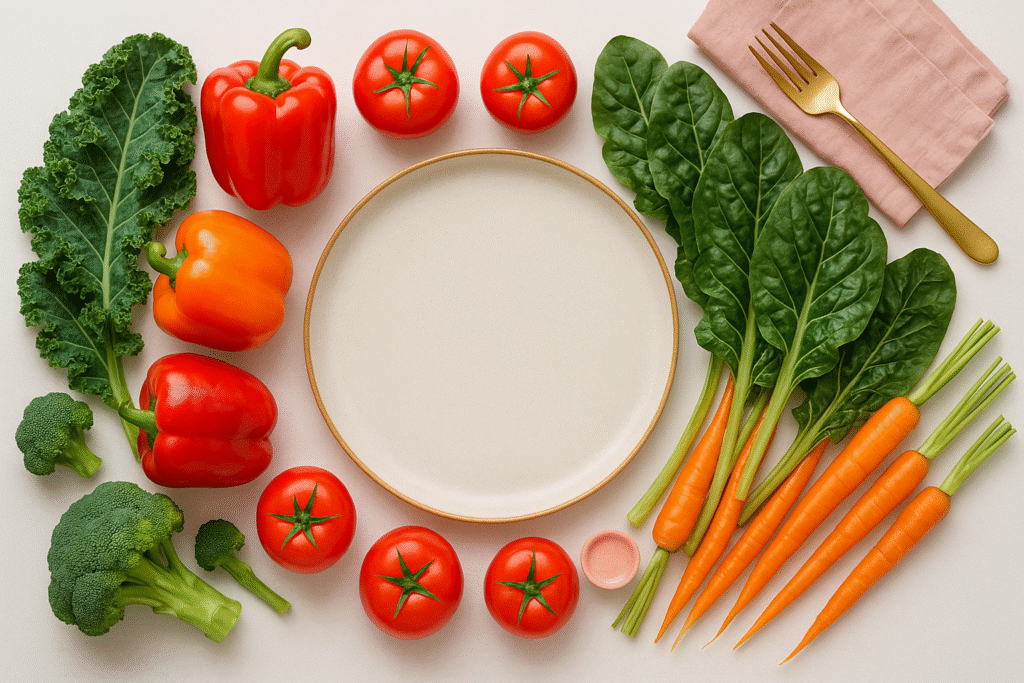
Most of us know we need to eat vegetables, but it’s not always obvious why they matter so much. A diet rich in a wide variety of vegetable choices can help you get the nutrient content your body is craving, from vitamins and minerals to fiber and antioxidants that help prevent damage to your cells. Because colorful vegetables and different vegetables each offer their own unique nutrients, rotating red and orange varieties, dark green leafy lettuce, and other vibrant shades is a powerful way to add variety to your meals and nourish your body at the same time.
When you eat fruits and vegetables on the regular, you’re not just piling stuff on your plate, you’re giving your body all the tools she needs to glow. The right vegetables can slide in and quietly help lower the risk of heart disease, keep your digestion moving smooth, and have you feeling fuller on fewer calories, which is a major win for weight management goals. That’s why the pros don’t just talk about calories, they talk about hitting that recommended amount in cups of vegetables each day, so your body gets everything she’s really been asking for.
How Many Cups of Vegetables Do You Really Need?
What you’ll get from this section:
- A simple, realistic target for how many cups of veggies most adults need.
- A visual way to eyeball your plate so you’re not stuck counting every bite.
- Low-drama ideas to spread your veggies through the day instead of stressing over one meal.
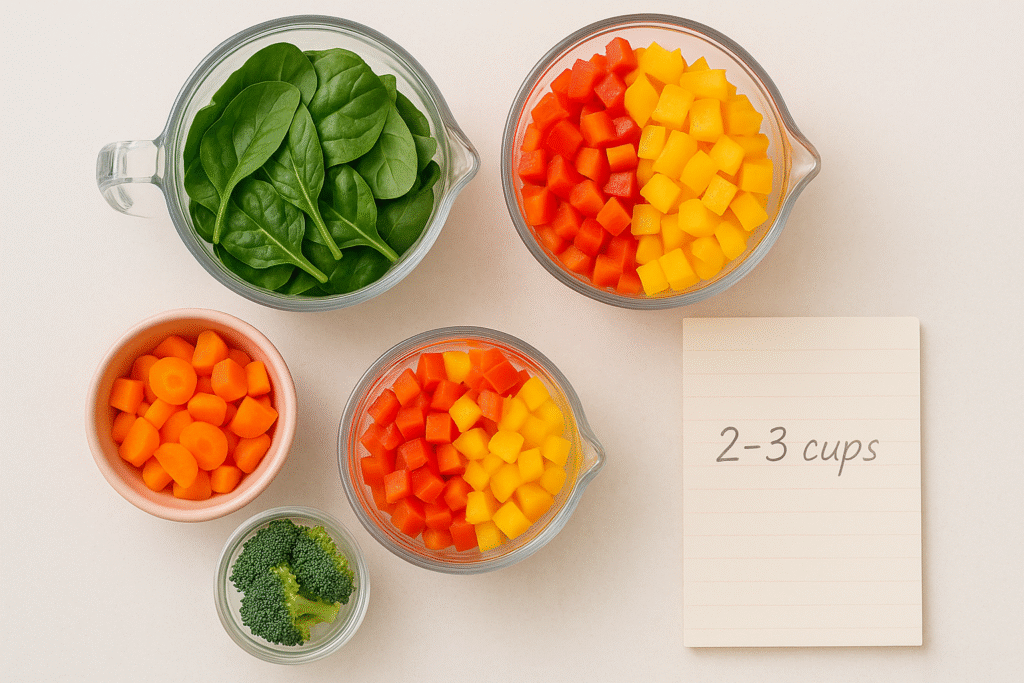
One thing everybody wants to know is, how many cups of vegetables do I actually need to eat to keep my body pleased? The exact rules shift a bit, but most adults need to eat at least a few servings of vegetables a day. For a lot of us, that looks like about two to three cups of vegetables daily, depending on your age, how active you are, and your overall calorie intake. The easiest way to keep it cute and simple? Start eyeballing your plate per cup and see how close you are to that recommended amount, so you know your veggie game is really giving what it needs to give.
Instead of stressing over the exact amount of vegetables on every single plate, take a step back and look at how your whole day is moving. Could you slide in a small salad with mixed greens at lunch, add a cozy steamy side of broccoli or squash at dinner, and snack on chopped vegetables with hummus when the cravings hit? Those low-drama tweaks can pull you closer to your ideal vegetable intake fast, without your routine feeling strict, boring, or boxed in.
What Are the Health Benefits of a Diet Rich in Vegetables?
What you’ll get from this section:
- A flirty little cheat sheet on what veggies are actually doing inside your body.
- A quick tour through leafy greens, red and orange veggies, and what they each support.
- A better understanding of how vegetables love on your heart, brain, and immune system.
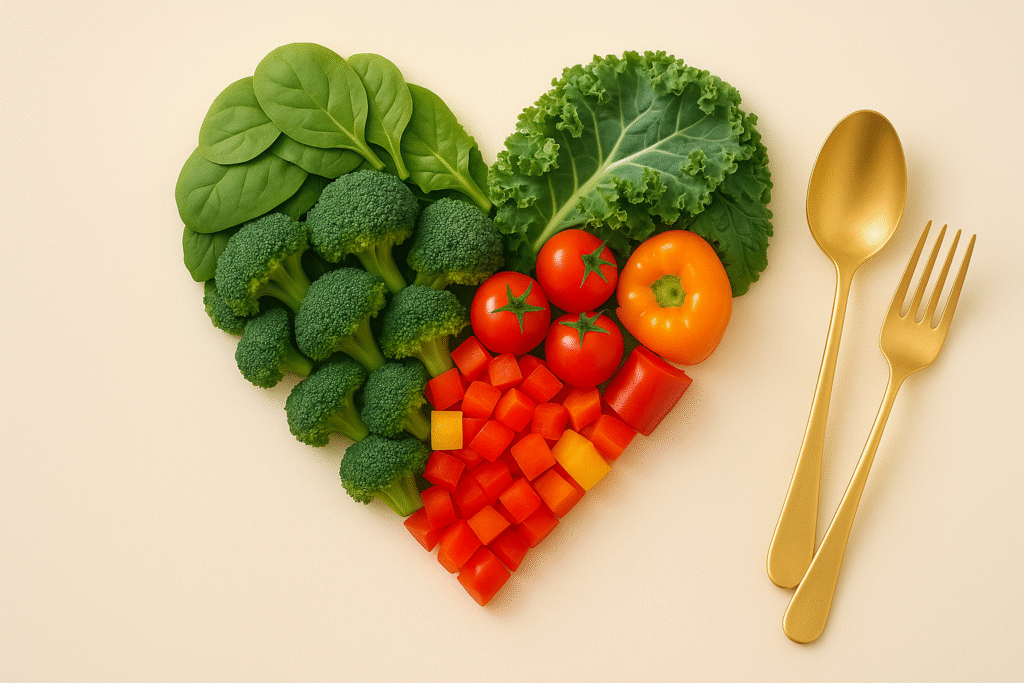
The health benefits of vegetables start with how loaded they are in nutrient content; these aren’t just side pieces on your plate, they’re the real glow-up plug. So many types of vegetables bring you fiber, vitamin C, folate, potassium, and all the quiet little nutrients that keep your heart, brain, and immune system feeling loved on.
Your leafy greens are the overachievers: spinach, kale, and romaine come through with folate and vitamin K, keeping things smooth behind the scenes. Then you’ve got your red and orange flirts—tomato and bell peppers, serving antioxidants like lycopene and beta-carotene, adding color, crunch, and serious health benefits every time they show up on your plate.
When your plate is serving a diet rich in vegetables, your body feels the love. That’s because vegetables contain fiber and powerful phytonutrients that help keep your cholesterol and blood pressure in check, which may lower the risk of heart disease over time.
Some research even hints that higher vegetable intake may help prevent certain chronic conditions, which is basically your future self saying “thank you” in advance. And the best part? When you keep a sexy variety of vegetables in rotation, you naturally sneak in extra veggies without obsessing over pills and powders, your food does the flirting and the healing.
What Are Easy Ways to Get More Veggies at Meals?
What you’ll get from this section:
- Practical, non-intimidating ways to sneak more vegetables into everyday meals.
- Ideas for building veggie-centered bowls, soups, and sheet pan dinners that still feel like comfort food.
- Inspiration to let vegetables take the lead instead of always playing backup to meat or refined grains.
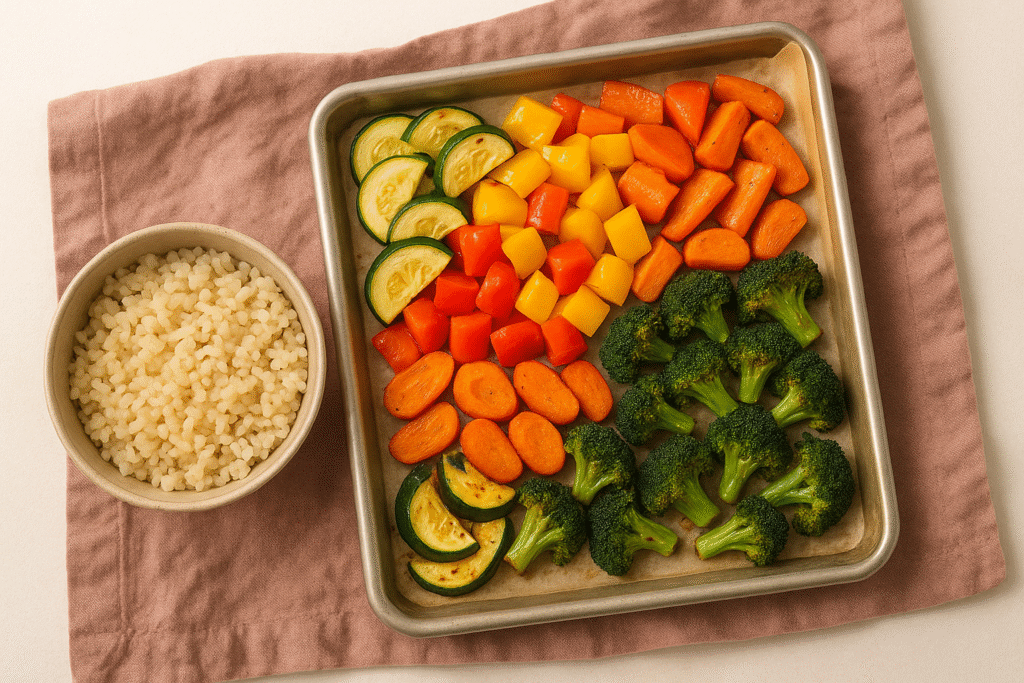
If you’re genuinely searching for ways to get more vegetables into your everyday routine, don’t overcomplicate it, start with small, low-drama moves. One of the best ways to incorporate more produce is to build your meals around a vegetable instead of always letting meat or refined grains take center stage.
Think sexy, simple sheet pan vibes: roast a tray of chopped vegetables like zucchini, bell peppers, carrot, and broccoli, then slide them over brown rice or riced cauliflower for a filling plant-based bowl that actually feels like a treat, not a chore.
Another cute option? Add variety by slipping more color and crunch into places you wouldn’t normally invite them. Stir chopped green goodness into stew, minestrone, or other soups so every bite is paired with at least one veggie. You can even use cauliflower florets or squash as a noodle-like base under marinara sauce, turning comfort food into one of the easiest ways to enjoy extra veggies without ever feeling like you’re missing out.
Is It Better to Eat Vegetables Raw or Cooked?
What you’ll get from this section:
- A simple reality check on raw vs cooked veggies—no more overthinking it.
- Examples of when cooking actually boosts some nutrients and when raw wins.
- Ideas for mixing raw and cooked textures so your plate stays interesting and satisfying.
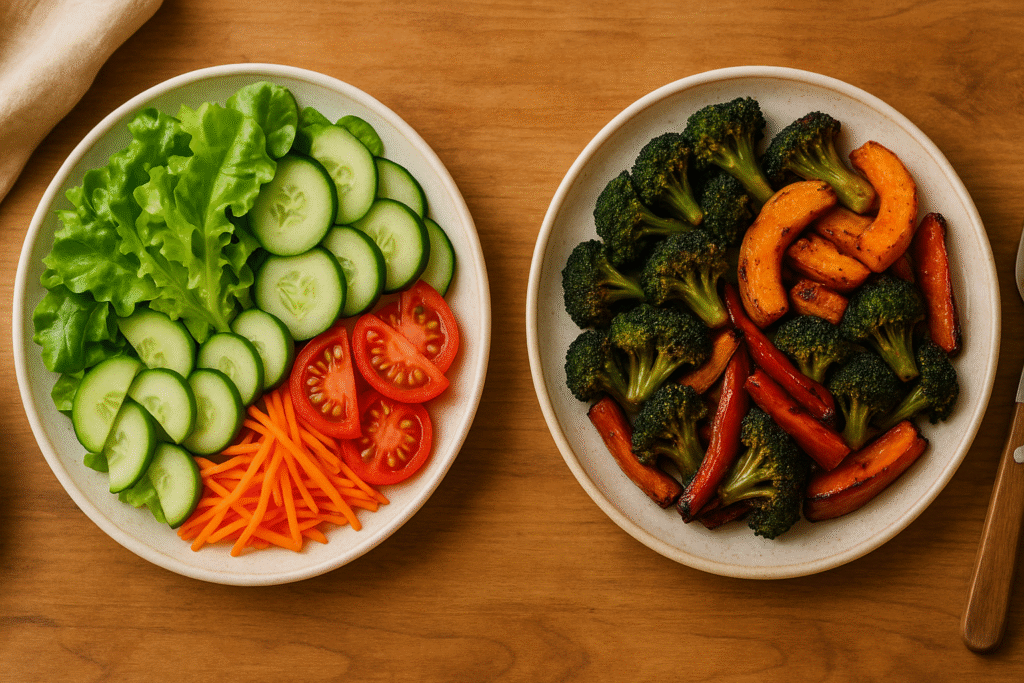
People are always wondering if it’s better to live that raw veggies life or stick to cooked options. The real tea? Both raw or cooked have something to offer your body. Some nutrients actually show up stronger once things are heated, think tomato, squash, or beet dishes, while others stay more potent in raw veggies like lettuce, cucumber, or celery, giving you a fresh, crisp glow-up in every bite.
The best way to get the full range of benefits is to keep switching up how you treat your produce, like you’re changing the vibe for date night. Let spinach and kale stay raw in salads sometimes, then catch them lightly sautéed at other meals. One night, keep it soft with steamed broccoli; another night, turn up the flavor and roast zucchini, mushroom, and asparagus until they’re golden and irresistible.
That mix of raw and cooked options keeps your plate interesting and your body bathing in a wider spectrum of nutrient content, maximum glow, minimum boredom.
How Can Seasoning and Cooking Methods Make Vegetables Taste Better?
What you’ll get from this section:
- Flavor-forward ways to make vegetables taste like something you actually crave.
- A peek at how roasting, grilling, and good seasoning flip veggies from bland to addictive.
- Easy seasoning moves you can copy without needing a full recipe.
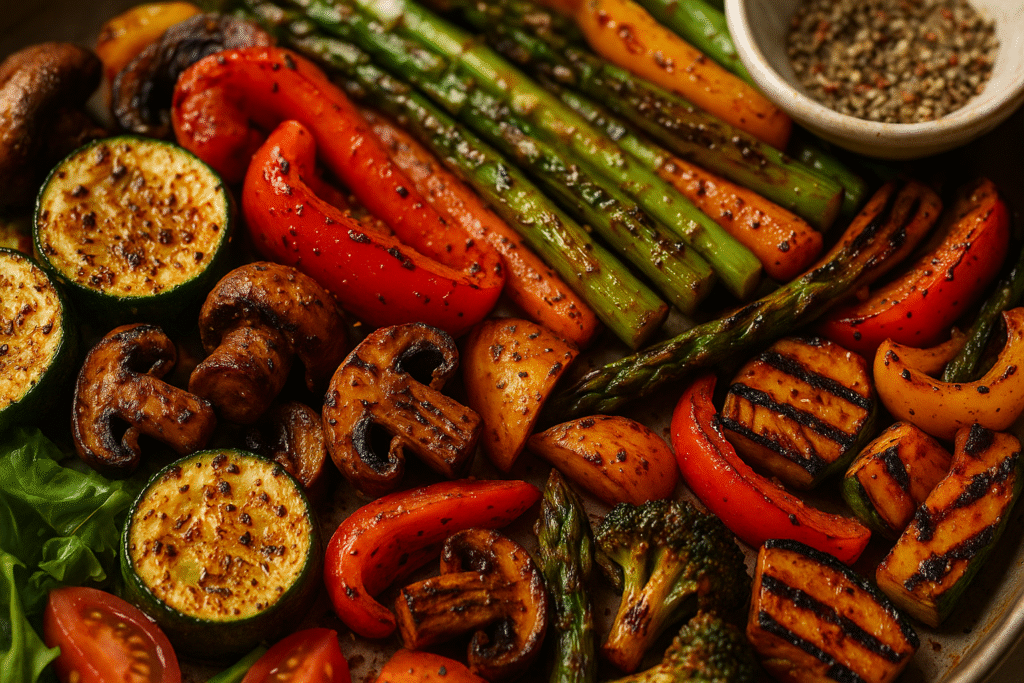
The right seasoning can completely change your whole relationship with veggies, from it’s giving “bare minimum” to “can’t stop thinking about you.” Instead of letting vegetables and fruits sit on the side all plain and shy, drench those chopped vegetables in olive oil, salt, pepper, garlic, and herbs, then roast them until they’re sizzling. When you roast at a high heat, those natural sugars caramelize, giving you deeper flavor and crisp edges that turn even a simple tomato or zucchini into something seriously crave-worthy.
The grill is where things get real seductive. Picture this: juicy halved bell peppers, thick mushroom caps, silky strips of squash, with bok choy giving soft, low-key seductive energy, all kissing the flames until they pick up that smoky, charred edge. Then you let them cozy up next to your favorite plant-based mains, a stacked veggie burger or a loaded brown rice bowl, and suddenly the whole plate is giving “outside dinner date,” not a sad side dish.
Now hit them with a bold seasoning moment, paprika, cumin, Italian herbs, whatever fits the vibe, and watch how every bite turns richer, deeper, and low-key addictive. When everything tastes this good, suddenly it’s so much easier to eat vegetables you’re actually craving and ease your way to that recommended amount without forcing a thing. No struggle plates over here, just flavor that keeps calling you back. for just one more bite.
What Are Simple Plant-Based Meals Built Around Vegetables?
What you’ll get from this section:
- A blueprint for building sexy plant-based meals where veggies are the main event.
- Cozy one-pot and stew-style ideas that pack in multiple servings of vegetables at once.
- Inspiration to create bowls that feel luxe, filling, and not like a “diet” at all.

Shifting towards a more plant-based meals is one of the easiest ways to eat more vegetables without stressing or counting a thing. Think of it like building a craveable bowl, not a boring salad. Start with a base of leafy greens, mixed greens, chard, or arugula, then stack on tomato, beet slices, peas, and broccoli so every scoop has color, crunch, and a little attitude.
For that stay-full, soft-life energy, bring in brown rice, riced cauliflower, or starchy sweet potato cubes, then finish with a silky, flavorful dressing that ties it all together. What you’re left with is a bowl that feels luxe and satisfying, plant-forward in every bite, and quietly pulling you closer to your goals without giving “diet” at all.
Another power move is building whole meals around cozy, one-pot moments, think a plant-based taco soup or a slow-simmered, plant-based jackfruit pot roast that eats like a stew. A hearty taco bowl remix loaded with peas, carrot, celery, kale, and zucchini can serve up multiple servings of vegetables in one steamy dish. Keeping plant-based meals like these in rotation a few times a week is one of the smartest ways to enjoy more veggies while naturally keeping your calorie intake in check, comfort food, but make it glow-up.
How Can Smoothies and Vegetable Juice Help You Eat More Vegetables?
What you’ll get from this section:
- A simple way to use smoothies and veggie drinks as a sneaky glow-up tool.
- Ideas to make smoothies more filling so they actually hold you over.
- Clarity on how to use smoothies and juices without replacing whole vegetables.
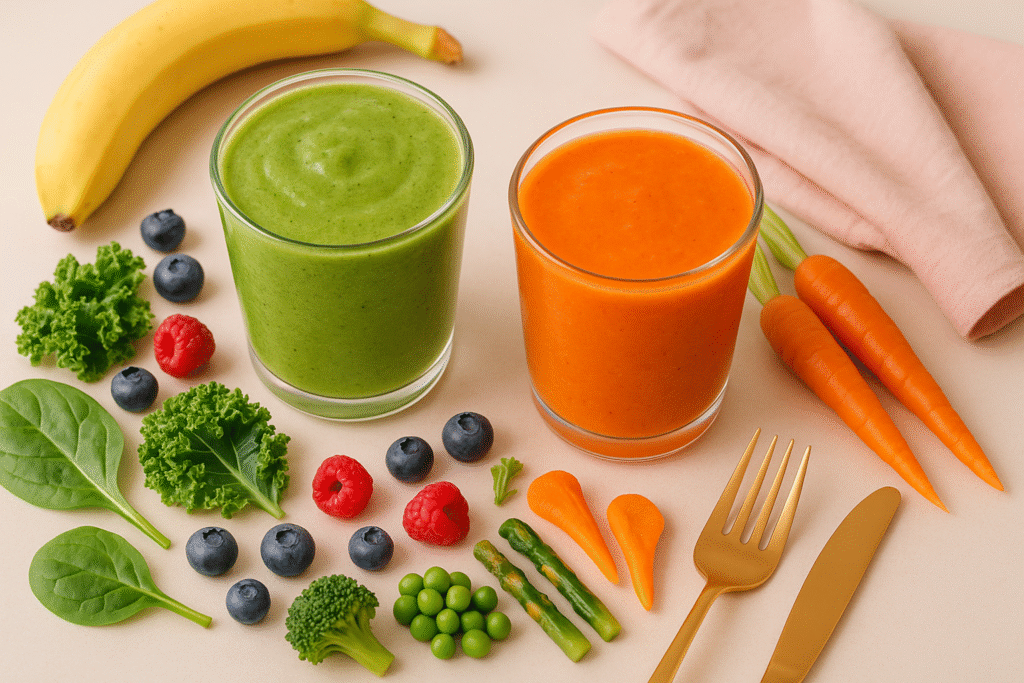
Smoothies are the sneaky little glow-up hack that make it way easier to add vegetables into your daily routine—especially if texture turns you off 🥤. Start with frozen fruit like banana and berries, then let spinach, kale, or other leafy greens slide into the blender for an effortless nutrient boost.
Want it to really hold you down? Add pea protein powder or chia seeds to give it some real stick-to-your-ribs energy so your smoothie turns into a mini meal, thick, satisfying, and low-key addictive 😏.
Vegetable juice and blended soups are like the smooth talkers of the wellness world—easy to sip, easy to love, and a fun way to sneak in a higher amount of vegetables without all the chewing 🥤🍲. They’re perfect for days when you want something warm, cozy, or a lil quickie, but still want your body to feel taken care of.
Just remember, whole vegetables and fruits still bring more fiber to the table than juice alone, and that fiber is what keeps you satisfied and things moving smoothly. So let your smoothies and veggie juice be part of your glow-up toolkit, not the whole show. Use them as just one of the ways you eat more vegetables, and you’ll slide a lot closer to hitting your servings of vegetables most days, without feeling like you’re working overtime for it. 💚
What Are the Best Ways to Add Vegetables to Breakfast, Lunch, and Dinner?
What you’ll get from this section:
- Concrete examples of how to slide veggies into breakfast, lunch, and dinner.
- Fresh ideas for omelets, bowls, and dinner plates that raise your veggie count without feeling forced.
- A mini blueprint to turn every meal into another chance to flirt with your veggie goals.
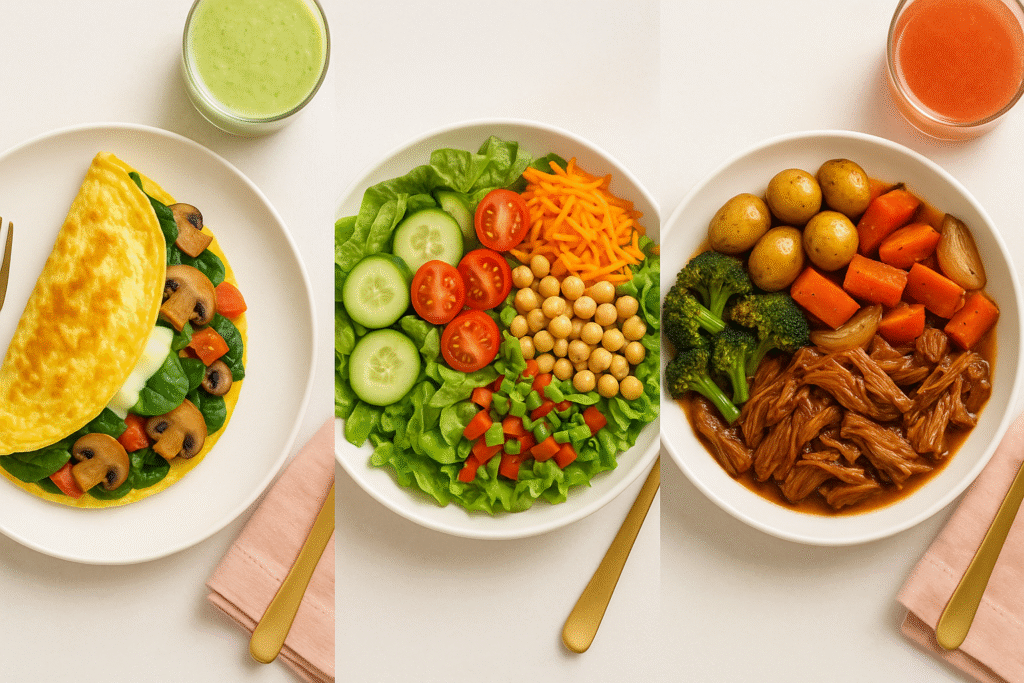
Think of every meal as another chance to test the waters with your vegetable intake 💚. At breakfast, don’t be shy—fold spinach, tomato, and mushroom into a dreamy omelet, or slide a side of sautéed kale and sweet potato next to your eggs so the whole plate is giving glow-up, not bare minimum.
By lunch, let your bowl really show out: pile romaine or other leafy greens high, then stack on peas, bell peppers, beet slices, and broccoli for color, crunch, and attitude 🥗. Or keep it cozy with a plant-based bowl—think brown rice loaded with extra veggies—so every bite feels like comfort and an upgrade at the same time.
Dinner is prime time to show off a little in the kitchen 😏. Play with both roast and grill methods, slide a sheet pan into the oven loaded with baby red potatoes, red onion, carrots, colorful bell peppers, until the edges get golden and caramelized, or grill thick slices of sweet potato and juicy Portobello caps right next to your main course.
These easy, low-drama moves are some of the simplest ways to add vegetables into your daily meals without complicated recipes or chef-level skills, just big flavor, minimal effort, and a plate that lingers in your mind like an almost-toxic ex, but in a good way.
Are Frozen Fruit and Chopped Vegetables Good Options?
What you’ll get from this section:
- Permission to lean on frozen and pre-chopped produce without guilt.
- A quick breakdown of why frozen fruit and veggies can still be nutrient-rich and convenient.
- Time-saving strategies to keep veggies within reach on your busiest days.
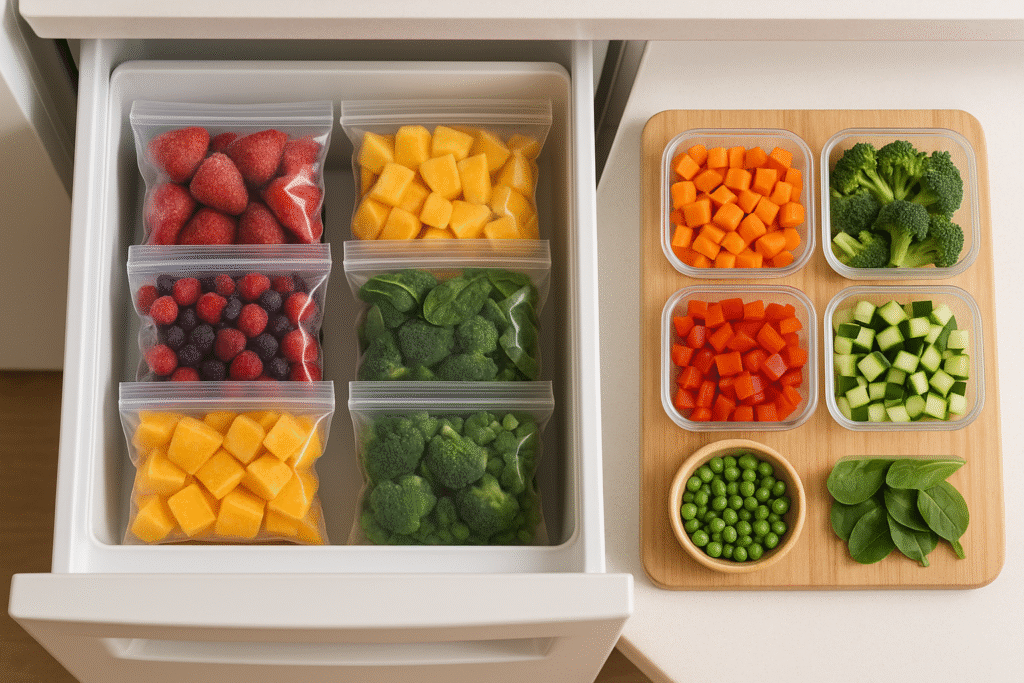
If the washing and chopping is what’s blocking your glow-up, frozen fruit and chopped vegetables are your low-effort cheat code. Bags of frozen fruit like banana slices or berries are picked at peak ripeness, so they hold onto plenty of their nutrient content even after freezing. They’re perfect for tossing into smoothies, stirring into oatmeal, or grabbing as a quick sweet snack when you want something that still boosts your health without you lifting more than a finger💅🏽
Pre-cut or chopped vegetables are for the girl who wants the glow, not the hassle. Grab those ready-to-cook mixes with broccoli, cauliflower florets, peas, and carrot, or snag salad blends with dark green leafy lettuce and mixed greens you can just dump in a bowl and dress up. Keeping these convenient cuties on standby makes it so much easier to get more veggies on your plate and quietly crank up the amount of vegetables you eat in a week, no tears, no chopping, just vibes 🥗✨.
Can Eating More Vegetables Really Help Prevent Disease?
What you’ll get from this section:
- A simple explanation of how veggies act like long-term security for your health.
- Insight into fiber, antioxidants, and how they quietly protect your heart and immune system.
- Motivation to keep choosing vegetables now so your future self gets softer, easier days.
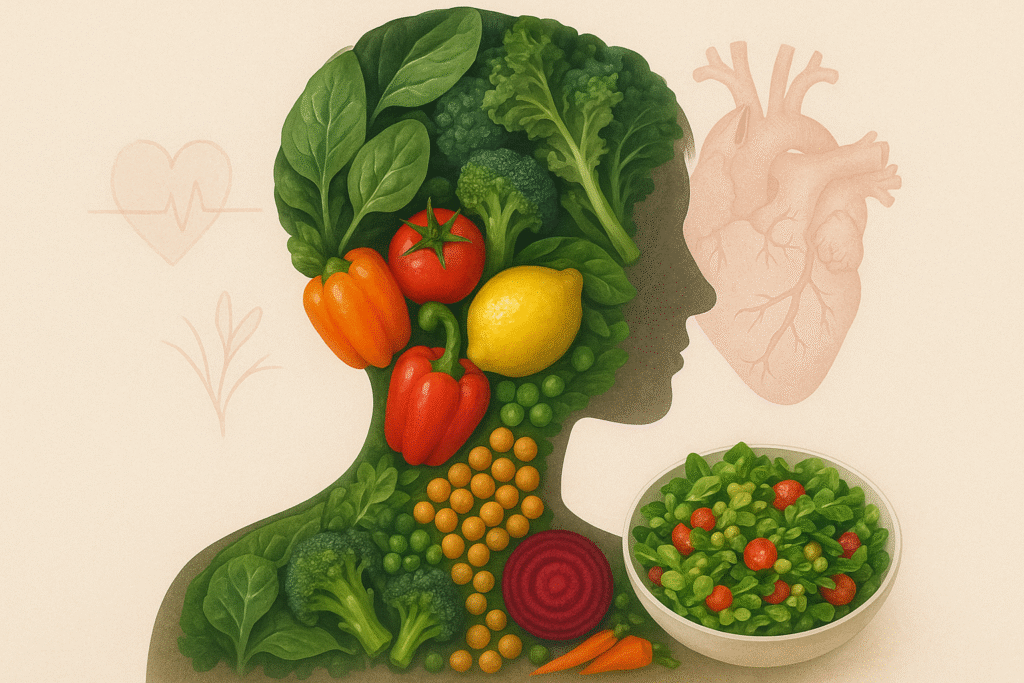
Think of your greens like long-term bodyguards💚. A lot of research shows that vegetables may play a major role in lowering the risk of heart disease and other chronic issues. That’s because vegetables contain fiber, antioxidants, and powerful nutrients that keep your blood vessels flexible, your cholesterol more balanced, and your immune system ready to ride for you.
When you consistently reach for vegetables and fruits instead of ultra-processed snacks, you’re not just “eating healthy”, you’re setting your future body up for softer days, better energy, and less drama in the long run ❤️🔥.
You don’t have to eat a perfectly plant-based diet to start feeling the glow-up. Even slowly turning up your vegetable intake, adding an extra veggie side, saying yes to one more salad, or slipping in an extra serving of leafy greens each day, can help prevent some of the damage that comes with a low-fiber diet.
Those tiny, quiet upgrades add up over time, and that’s when people start noticing the real shifts: better energy, smoother digestion, and an overall sense that your body is finally on your side again ✨🌿.
Final Tips to Remember
What you’ll get from this section:
- A quick recap of the most important veggie moves to focus on first.
- Permission to keep things flexible, flirty, and realistic—not all-or-nothing.
- A gentle nudge to start with one small upgrade today and build from there.
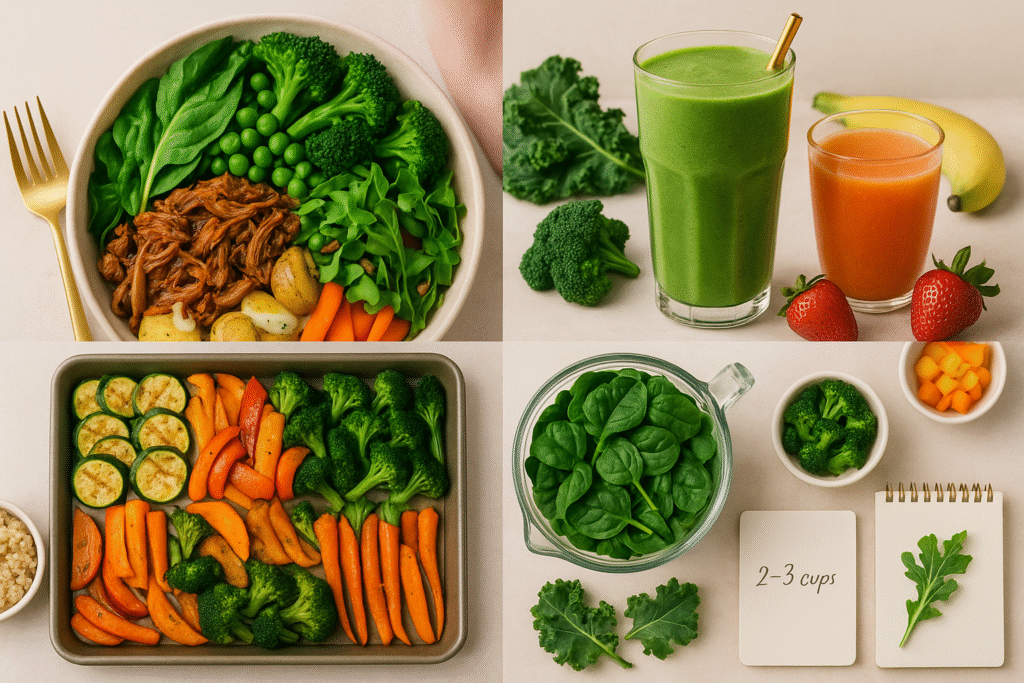
Aim for a few cups of vegetables a day by letting them show up at breakfast, lunch, and dinner—small cameos throughout the day instead of one big, overwhelming moment on your plate 🥗✨.
Turn the flavor all the way up: use bold seasoning, and play with roast or grill methods so every bite feels rich, cozy, and satisfying, not like homework.
Build sexy plant-based bowls, cozy soups, and slow-simmered stew dishes around a mix of vegetables and fruits, so every spoonful is doing the most for your body 🍲.
Keep frozen fruit and ready-to-cook chopped vegetables on standby for quick meals, last-minute sides, and thick creamy smoothies for those moments when you want something fast, cute, and still good for you 🥤.
Pair raw veggies with steamy cooked favorites, squash, broccoli, and kale, the seasoned lovers on the plate—so every bite feels like a little situationship moment. More flavor, more attitude, boosted nutrient content, and that layered texture that keeps you circling back with your fork like you’re not ready to say goodbye yet. 💚💚
And always watch for simple ways to incorporate extra veggies into your go-to meals, so working veggles into your daily routine feels natural, easy, and just a little indulgent, never forced 😏.