Why Starting Plant-Based Feels Hard: Cravings, Confusion, and Energy Red Flags
Why starting plant-based feels hard usually comes down to cravings, convenience, confusing advice, and not getting enough balanced nutrition.
Many beginners try to eat plant-based foods without enough calories, protein, iron, vitamin B12, or familiar meal ideas, which can make the transition feel overwhelming, restrictive, or exhausting.
Truth is, My plant bestie… starting a plant-based diet can feel cute in theory and chaotic by Tuesday.
One minute you’re excited to eat plant-based, try new plant-based foods, and finally step into that glow-up.
The next minute you’re standing in the grocery store wondering why everything says vegan, plant based, wfpb diet, fortified, or “good protein source” like it’s speaking in code.
And if you’re always tired? Hungry? Craving your old comfort meals? That can make you question the whole journey.
But here’s what’s really going on… plant-based doesn’t feel hard because you’re weak. It feels hard because your old way of eating had structure, comfort, convenience, and flavor.
If your new plan doesn’t have those things too, that’s not a glow-up, bae. That’s a setup.
And if you want the beginner-friendly shortcut, I’ll show you where to start before you leave.
Why Starting Plant-Based Feels Hard in the Beginning
What you’ll get from this section:
- Why plant-based can feel overwhelming at first
- Why cravings and confusion are normal
- Why a balanced diet matters from the start
- Why this transition is different for everyone
Starting plant-based isn’t just swapping chicken for veggie burgers and calling it a day.
You’re changing grocery habits, comfort foods, social meals, family routines, restaurant choices, and maybe even how you see yourself.
That’s a lot.
Common reasons why people struggle include not knowing what to buy, what to cook, how to get enough nutrients, or how to eat with non-vegan family and friends.
You may also be trying to go vegan overnight when your real life still has work, kids, stress, budget limits, cravings, and people asking, “So what do you even eat now?”
Life be life-ing. Bae, but it’s okay cause i got you!
A plant-based diet can be nutritious, satisfying, and supportive of heart health, but it still needs balance.
If you’re only eating fruit, salads, and random snacks, you may not be getting enough calories, enough iron, or enough protein.
That’s when this lifestyle starts feeling less like soft life and more like you on a struggle bus. And we don’t want that!
You’re not behind, plant bae. You’re learning a new lifestyle. Give yourself a setup that actually understands the assignment.
Red Flag #1: Your Cravings Still Have Access to You
What you’ll get from this section:
- Why cravings show up during a plant-based transition
- How to replace the craving experience
- Why comfort matters
- Simple meal swaps that don’t feel sad
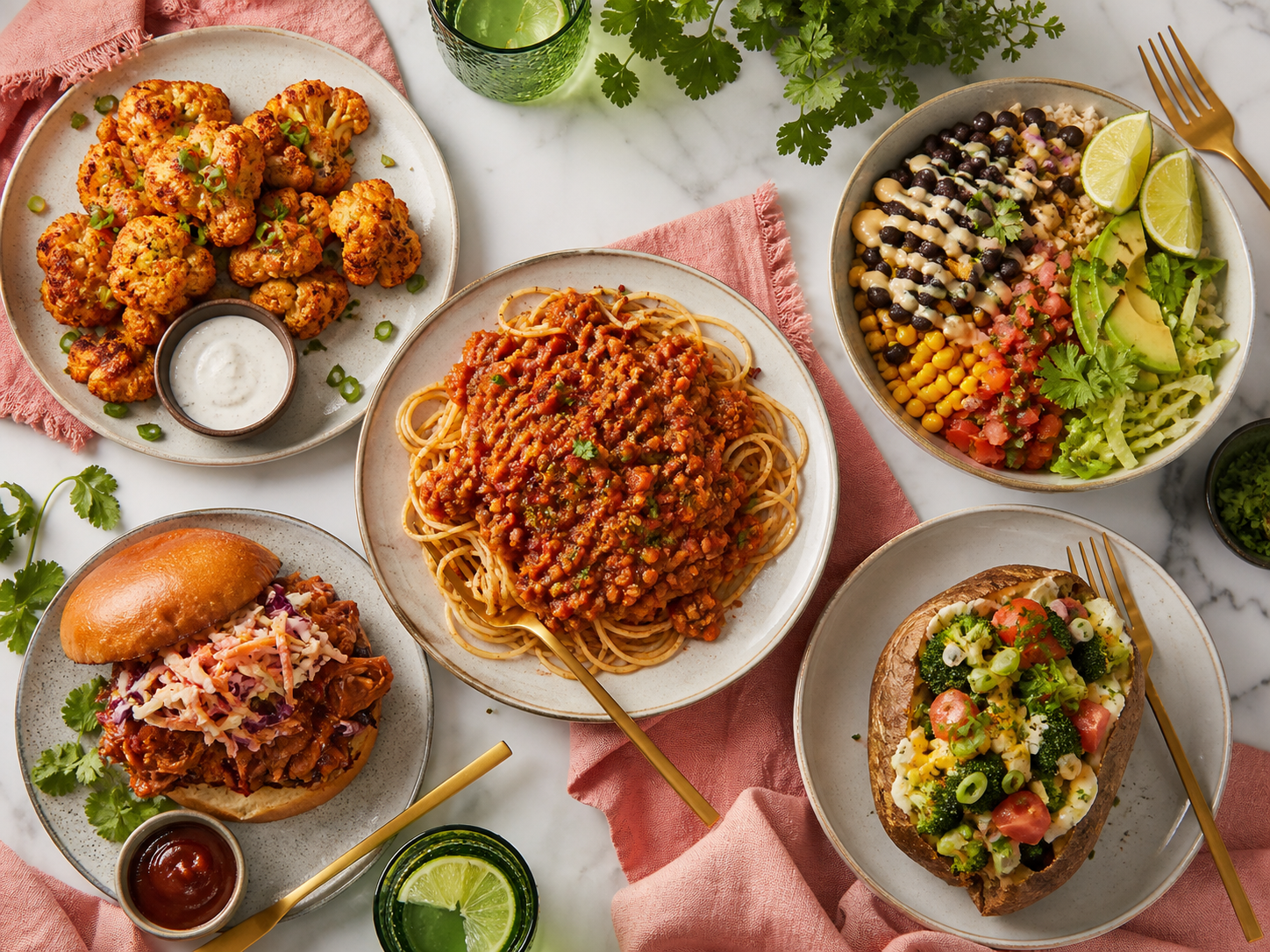
Cravings are normal, especially when you’re moving away from eating meat, dairy, eggs, or other animal products.
Your body and your routine are used to certain textures, flavors, and emotional comfort.
Sometimes you don’t just want fried chicken. You want crispy, salty, hot, familiar, and satisfying.
Sometimes you don’t just want a burger. You want easy, filling, and no-thinking-required.
That’s why removing foods without replacing the experience can make plant-based feel harder.
Try familiar swaps like:
- Fried chicken → cauliflower wings or crispy plant-based tenders
- Beef tacos → taco bowls with beans and legumes, rice, salsa, avocado, and plant-based crumbles
- BBQ pork sandwich → BBQ jackfruit sandwiches or pulled mushrooms
- Spaghetti with meat sauce → spaghetti with lentils, mushrooms, or plant-based grounds
- Meatloaf → meatless meatloaf with hearty sides
This is where plant-based meals can feel less like a punishment and more like a upgrade.
Don’t ignore the craving, redirect it. If the old meal was flirting with your weak spot, give yourself a better option with flavor and body.
Red Flag #2: Convenience Keeps Love Bombing You
What you’ll get from this section:
- Why convenience is a major setback
- How to use grocery-store shortcuts
- Why processed foods aren’t automatically the enemy
- How to avoid getting caught hungry
Convenience is one of the biggest reasons why people fall back into old habits.
Fast food, leftovers, drive-thru meals, and family dinners are easy.
If your plant-based options aren’t easy too, the old way of eating will keep love bombing you.
But convenience can be a green flag.
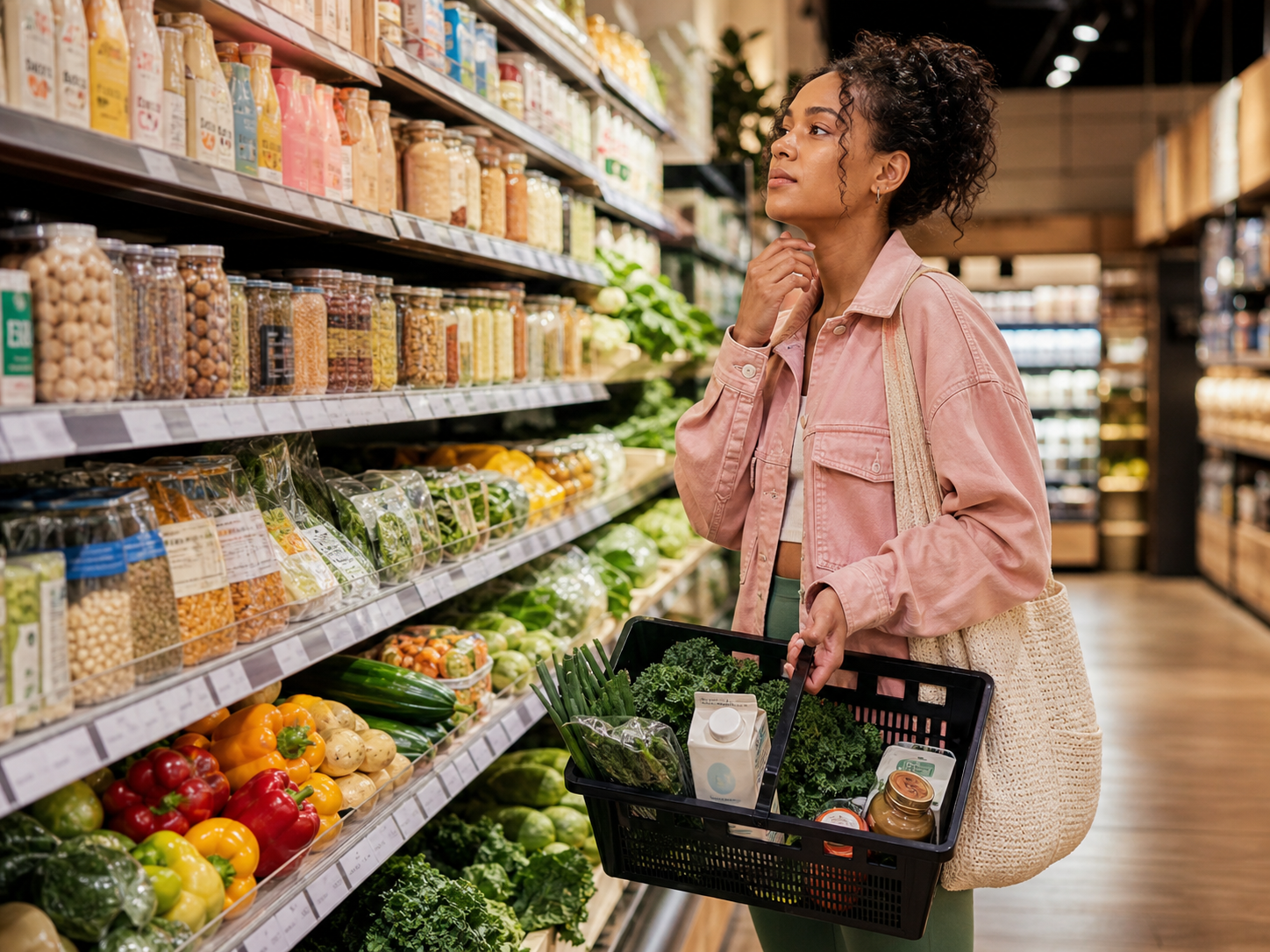
You don’t have to cook every meal from scratch. Grocery-store shortcuts can help, especially when you’re busy or tired.
Think canned beans, minute rice, frozen veggies, bagged salads,
wraps, soups, veggie burgers, pre-cut fruit, nuts and seeds, fortified plant milks, and ready-made sauces.
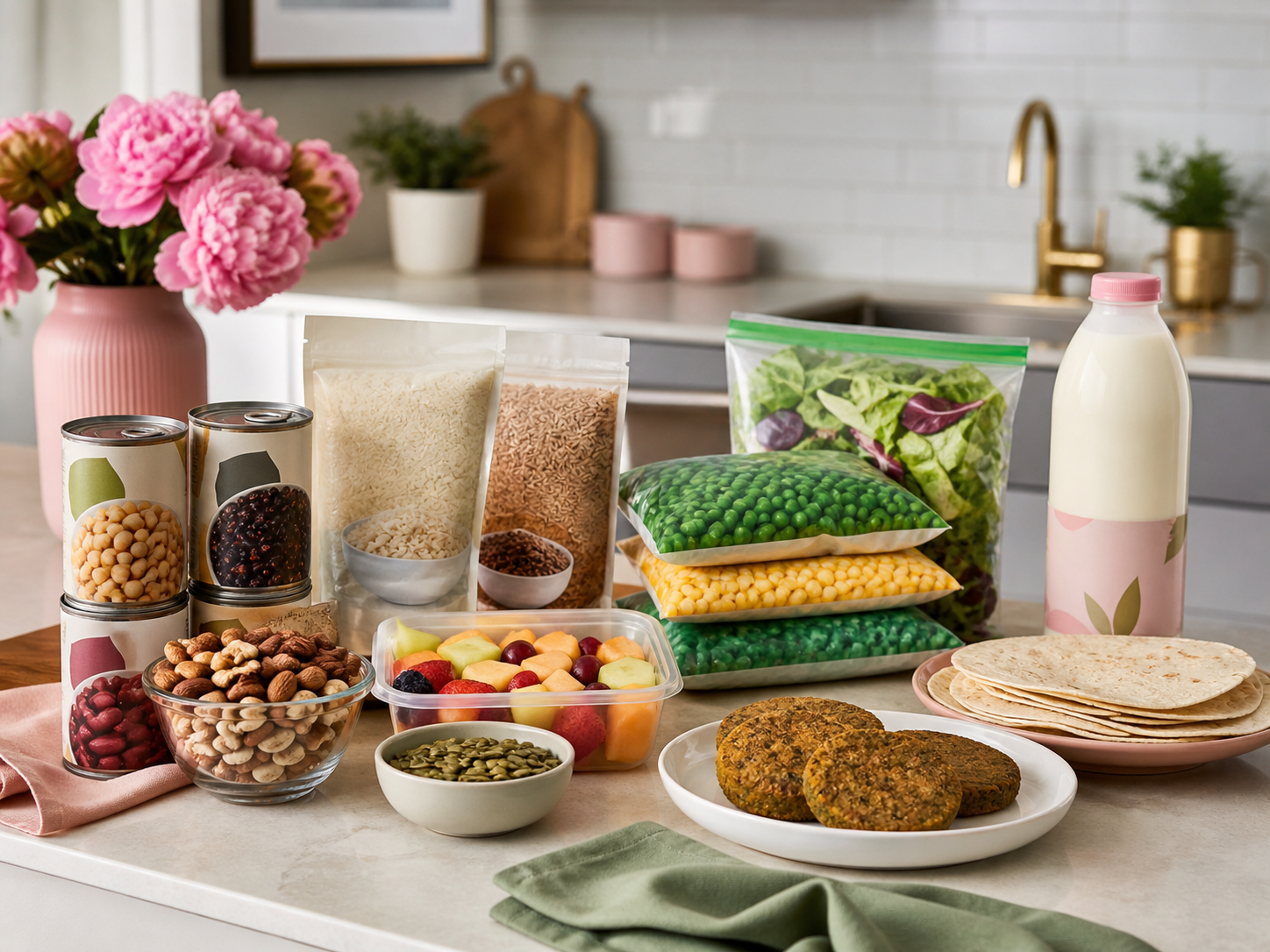
Yes, some foods are heavily processed.
And yes, a lot of processed food every day may not help you feel your best.
But using processed plant-based foods in moderation while you transition? That can be practical.
There’s a difference between building your whole diet on heavily processed foods and using a veggie burger with a loaded potato because you need dinner in 15 minutes.
Now that’s my type of carrying on.
Convenience didn’t understand the assignment when it only came in old-habit form.
Stock plant-based shortcuts so hunger doesn’t catch you acting brand new.
Red Flag #3: You Might Not Be Getting Enough Nutrients
What you’ll get from this section:
- Why you may feel tired on a plant-based diet
- Why B12, iron, calories, and protein matter
- When to consider a blood test
- Why plant-based nutrition needs intention
If you’re always tired after changing your diet, don’t just push through it and call it discipline.
What’s really going on?
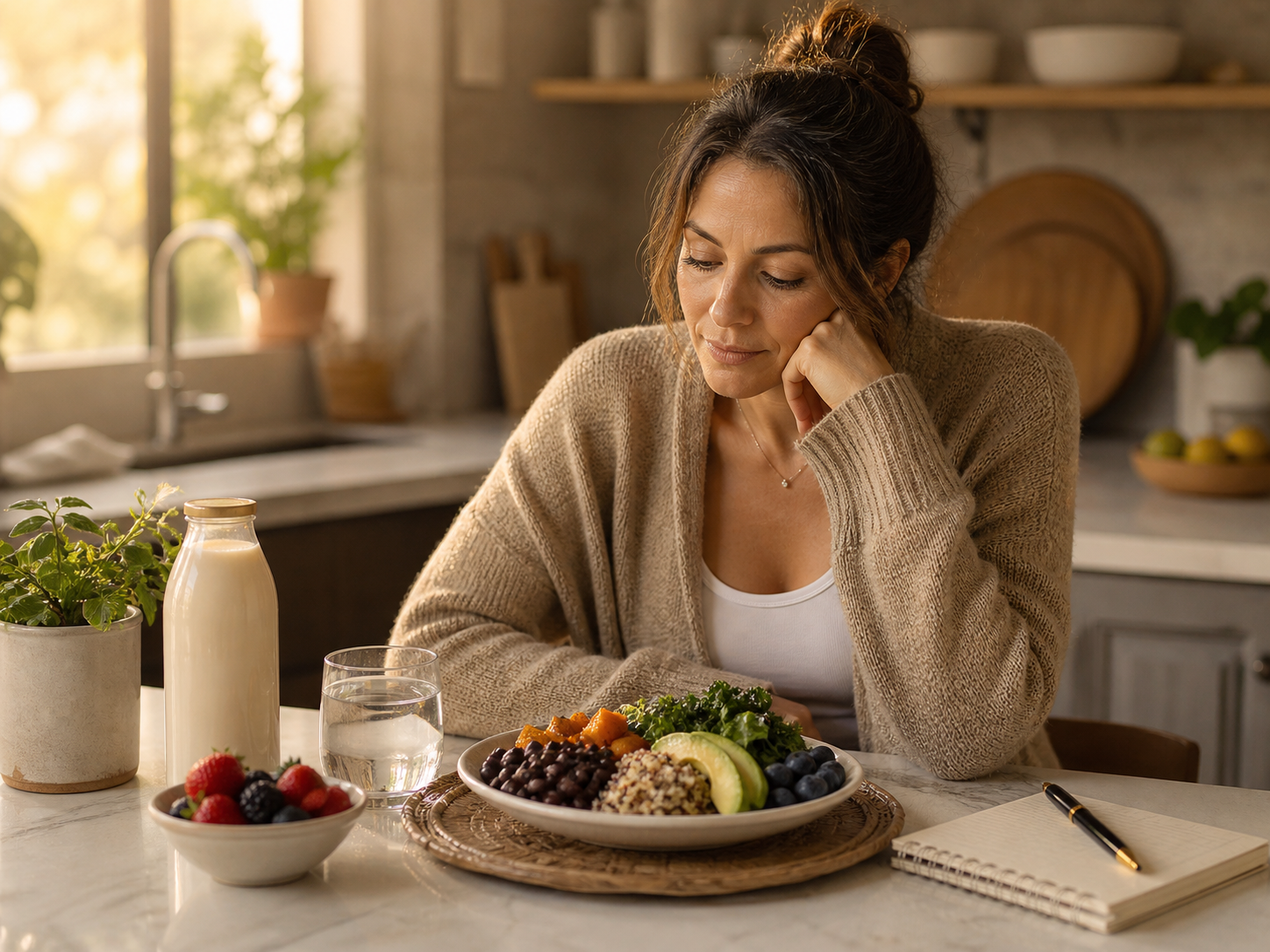
A plant-based diet can be balanced and nourishing, but certain nutrients need attention.
Vitamin B12 is one of the big ones because it’s mostly found in animal-based foods.
If you’re eating fewer animal products or trying to go vegan, you may need fortified foods or a B12 supplement.
Iron matters too. Heme iron comes from animal foods,
while non-heme iron comes from plant foods like beans and legumes, lentils, tofu, tempeh, leafy greens, kale, whole grains, nuts and seeds.
Non-heme iron can be harder to get or absorb, so pairing it with vitamin C-rich fruits and veggies can help.
You may also feel tired if you’re not eating enough calories. A big salad may look nutritious,
but if it doesn’t have enough protein, carbs, fats, or fiber-rich ingredients, it may not hold you.
A registered dietitian can help if you have health concerns, low energy levels, or need support with plant-based nutrition.
A blood test can also help check things like B12, iron levels, and other nutrient needs.
Feeling tired isn’t a personality flaw. It may be your body asking for a better plate, more balance, or professional support.
Beginner-Friendly Signs Your Plant-Based Setup Needs Work
Around the middle of your transition, check in with yourself.
Here are simple signs your plant-based diet may need a little upgrade:
- You’re always tired or hungry
- You’re eating mostly snacks instead of meals
- You don’t have a protein source at most meals
- You’re relying on a lot of processed plant-based foods
- You’re avoiding food groups without replacing nutrients
- You don’t know where your B12 is coming from
- You’re not getting enough iron-rich plant foods
- You’re eating whole foods but not enough calories
- You don’t have easy meal options for busy days
- You keep quitting because the plan feels too strict
This doesn’t mean you need to quit.
It means your plan needs to start supporting your real life.
Red Flag #4: Confusing Advice Has You Doing the Most
What you’ll get from this section:
- Why plant-based advice can feel overwhelming
- How to stop chasing perfection
- Why your beginner plan should be simple
- How to choose what advice fits your life
Plant-based advice can get loud fast.
One person says eat whole foods only.
Another says avoid all processed plant-based foods.
Somebody else says go vegan overnight.
Then here comes another person talking about wfpb lifestyle, veganism, supplements, macros, cholesterol levels, heart health, and foods in moderation.
Now you’re overwhelmed and still don’t know what to eat for lunch.
Too much advice is like having ten stylists fighting over one outfit.
Everybody has an opinion, but now you’re standing there confused with no pants on.
Not soft life. Not the vibe.

Your beginner question should be simple:
What plant-based choice can I repeat this week without making my life harder?
Maybe it’s a veggie wrap. Maybe it’s a taco bowl.
Maybe it’s soup with beans and whole grains.
Maybe it’s a vegan meal at a restaurant so you can practice ordering without panic.
You don’t need every plant-based opinion.
You need a plan that fits your appetite, your schedule, your budget, and your real life bae.
Red Flag #5: You’re Trying to Change Everything Overnight
What you’ll get from this section:
- Why all-or-nothing makes plant-based harder
- How to start softer
- Why less meat still counts as progress
- How to build confidence one meal at a time
Trying to change everything overnight can make any new diet feel stressful.
If you go from eating animal products daily to throwing out everything,
buying unfamiliar ingredients, and forcing yourself to cook meals you don’t even enjoy, of course it feels hard.
That was one of my biggest mistakes, I got off that struggle bus and never looked back.
Start eating plant-based in a way that lets you build confidence.
Try:
- Plant-based breakfast three days a week
- Meatless spaghetti one night
- Taco bowls instead of beef tacos
- Loaded potatoes with beans and veggies
- A veggie burger night with fries and salad
- One vegan option on date night
- One grocery-store shortcut meal for busy days
Eating less meat can still be a meaningful first step.
For some people, that’s the bridge.
For others, the goal is a vegan diet.
It’s different for everyone.
A softer transition still counts. You can still stand on business without overwhelming yourself to the point of quitting.
Red Flag #6: You Don’t Have Enough Familiar Meals Yet
What you’ll get from this section:
- Why familiar meals make plant-based easier
- How to avoid boring beginner food
- How to build a realistic meal list
- Why comfort food can still have a place
A lot of beginners think plant-based foods have to be unfamiliar. But familiar food is your bridge.
You don’t need to start with complicated meals.
Start with what you already like, then plant-based it up
Try:
- Spaghetti with lentil marinara
- Taco bowls with beans, rice, salsa, and avocado
- BBQ jackfruit sandwiches
- Jackfruit roast with potatoes and carrots
- Meatless meatloaf with greens
- Veggie burgers with roasted veggies
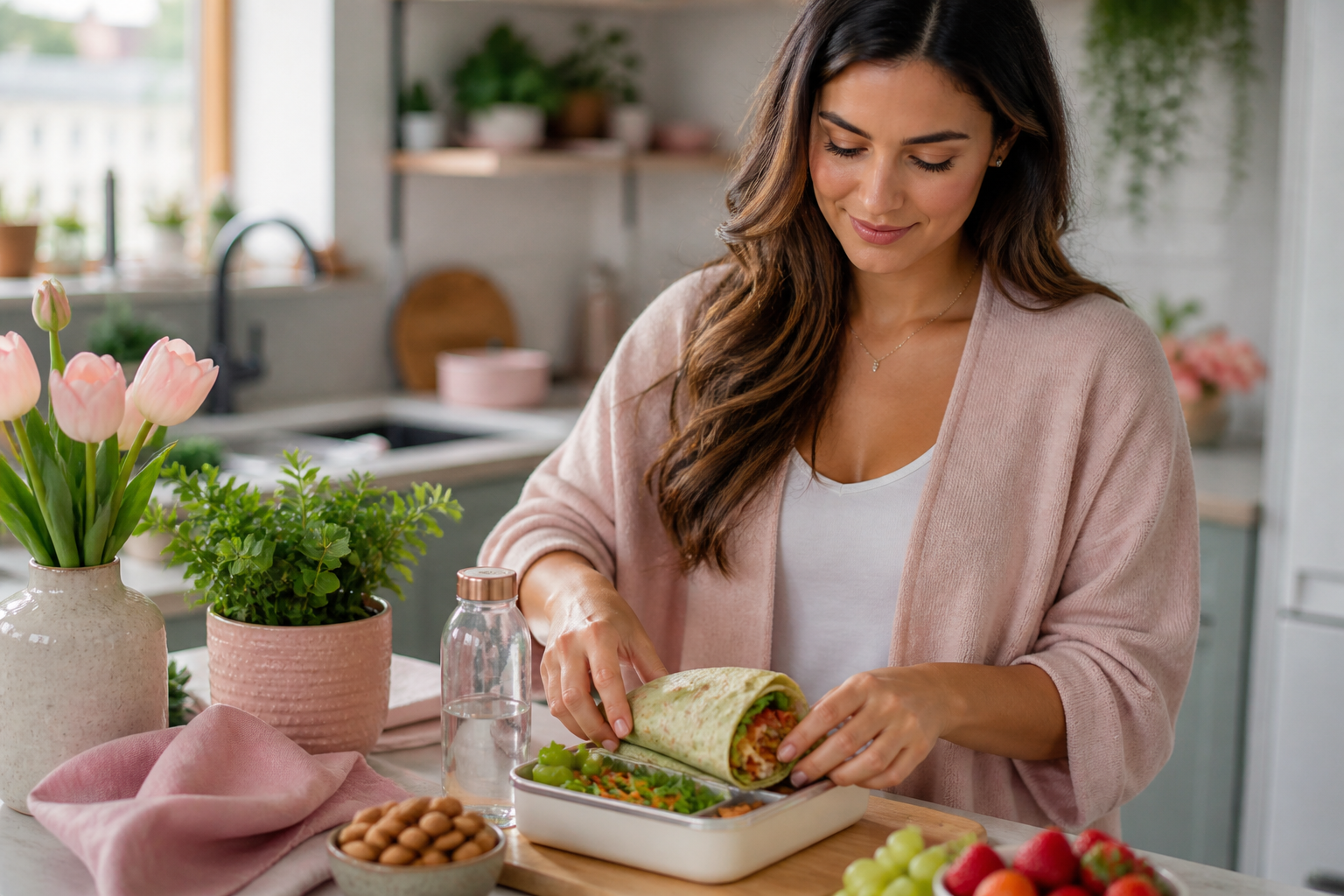
- Wraps with hummus and crunchy vegetables
- Bowls with whole grains, legumes, sauces, and toppings
- Soups with beans, kale, and hearty vegetables
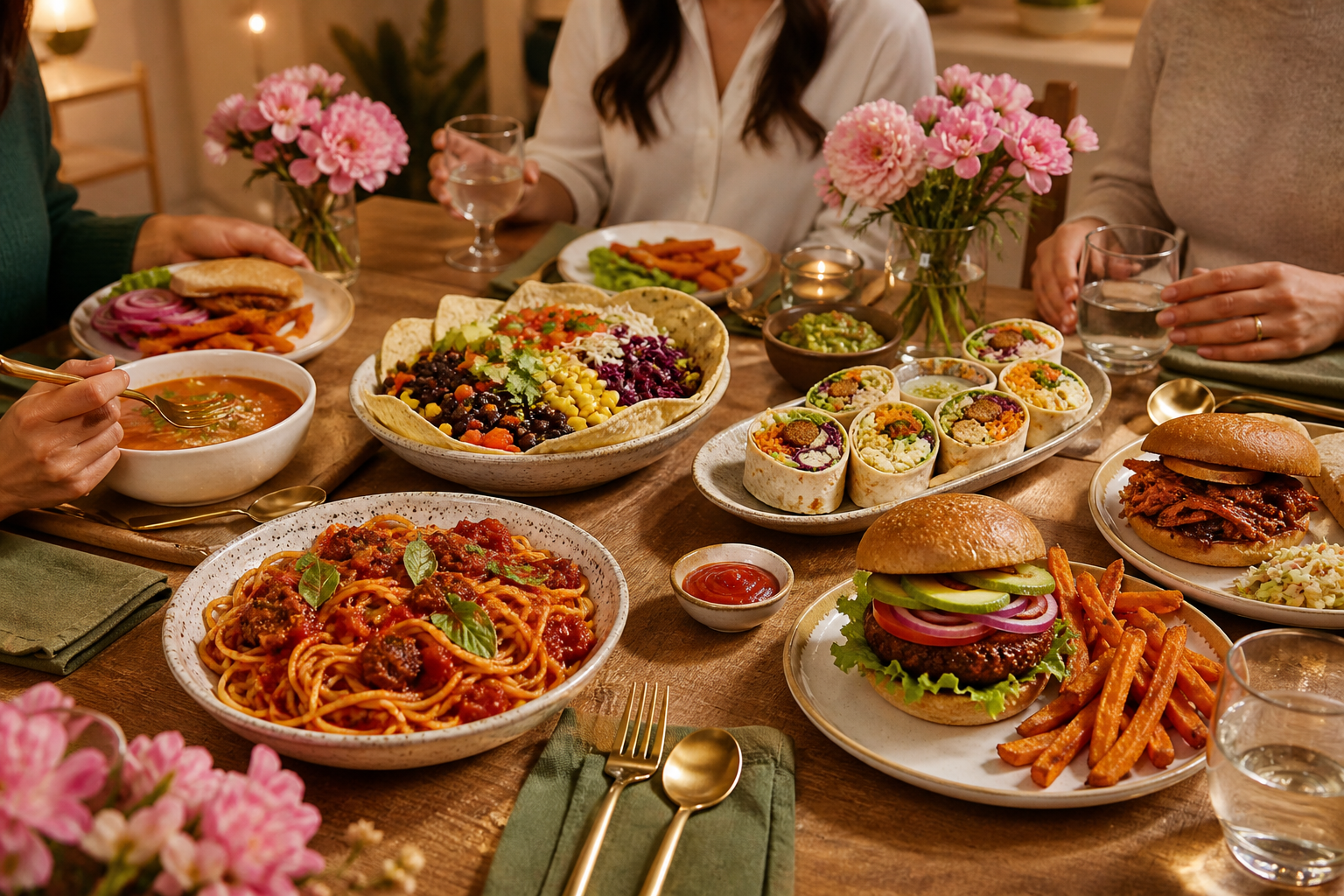
This makes plant-based feel less like a cold breakup and more like a smoother upgrade.
Familiar meals are the friend walking you out of the toxic situationship and into your glow-up era.
Final Takeaway:
Why Starting Plant-Based Feels Hard Doesn’t Mean You’re Failing
What you’ll get from this section:
- The main mindset shift
- Why preparation matters
- How to keep going without guilt
- Your next step
Why starting plant-based feels hard usually has less to do with willpower and more to do with setup.
If you’re tired, check your balance.
If cravings keep pulling you back, build better swaps.
If convenience keeps winning, stock easier options.
If advice has you overwhelmed, simplify.
If your meals feel unfamiliar, start with what you already love.
You don’t have to go vegan overnight.
You don’t have to be perfect.
You don’t have to turn every meal into a performance.
You just need your next green flag.
Before you try to overhaul your whole plate and end up on the struggle bus like i did,
read this next: So You’re Thinking About Going Plant-Based? A Beginner-Friendly Reality Check.
It’ll help you start softer, smarter, and with way less confusion, plant bae.
And remember: your plant-based journey doesn’t need to look perfect to be powerful.
If today’s green flag is choosing the loaded potato, the taco bowl, the veggie burger,
or simply reading one more post before you quit on yourself…stand on that.
Because starting small still counts.