How to Read Nutrition Labels and Understand Nutrition Facts in 2026
Learning how to read nutrition labels means understanding the nutrition facts label, serving size, added sugar, sodium, dietary fiber, and ingredient list so you can make smarter food choices without overwhelm.
Why Reading Nutrition Labels Matters in 2026
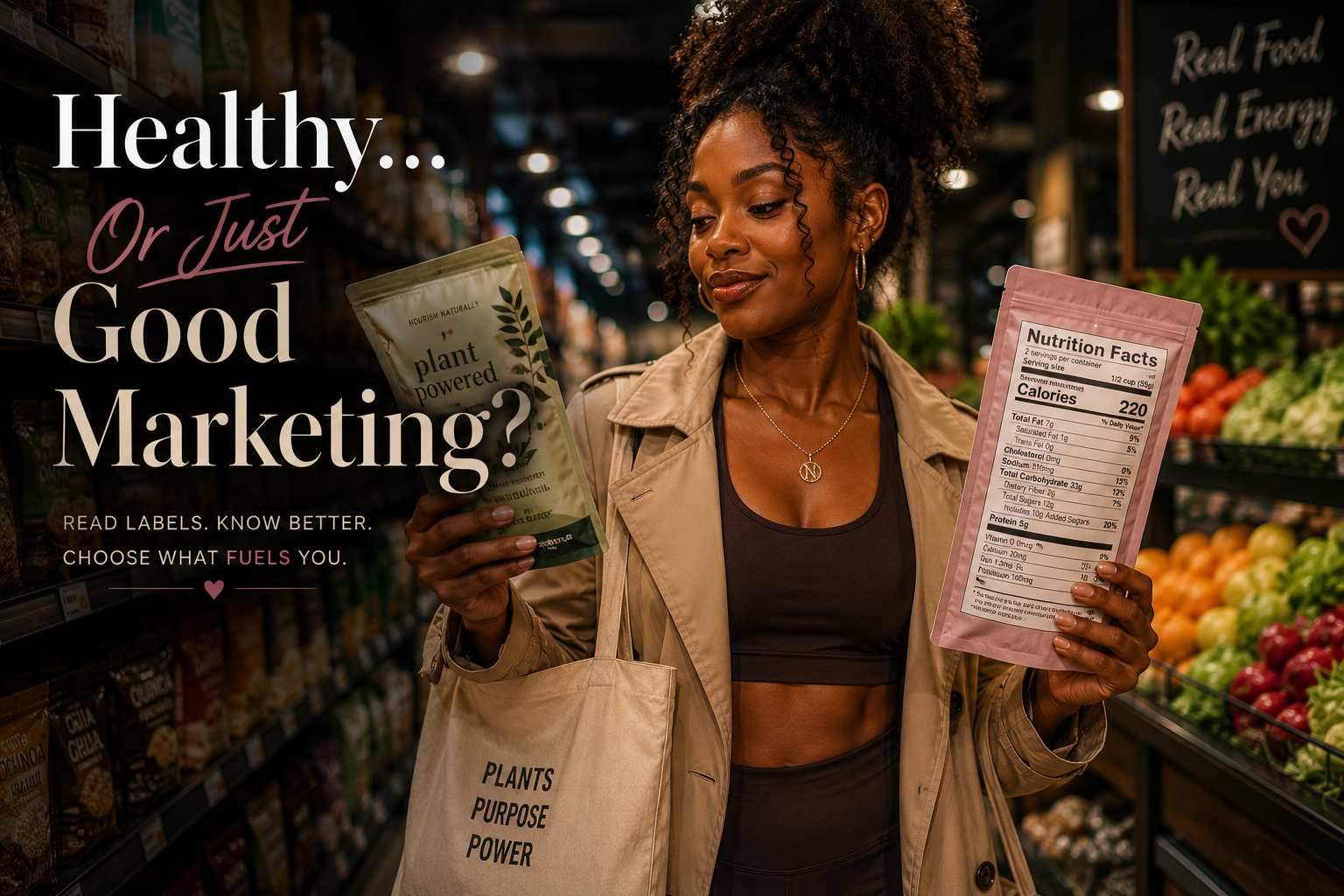
Picture This.
Some grocery products are dressed like the perfect plant bae. Earth-tone packaging. Little leaves on the box. Words like “natural,” “fit,” and “plant-based” floating around like they understood the assignment.
Then you flip over the package and suddenly it’s giving toxic situationship.
One serving is tiny. The added sugar is doing the most. The sodium is high. And somehow this “healthy” snack leaves you hungry again an hour later.
If reading food labels feels confusing, you’re not bad at grocery shopping. Grocery marketing is designed to pull you in emotionally first.
But once you learn how to read nutrition labels, grocery shopping gets way easier.
Understanding Food Labels and Nutrition Facts for Beginners
What you’ll get from this section:
- Why wellness marketing feels overwhelming
- How emotional grocery shopping happens
- What “healthy” labels actually mean
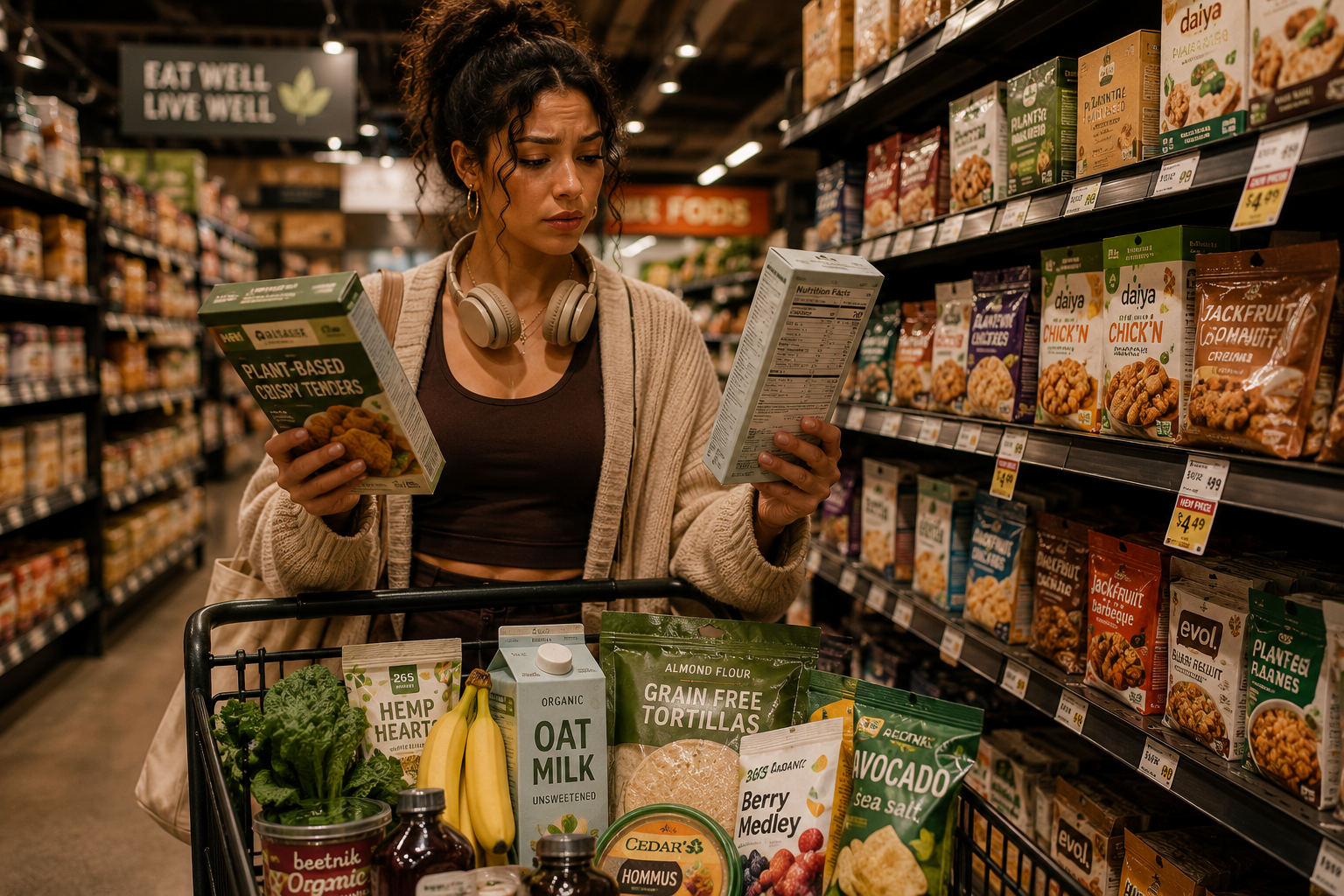
The grocery store in 2026 is basically one giant branding competition.
Every food product wants your attention, so companies use words like:
- “natural”
- “protein-packed”
- “light”
- “plant-powered”
Some products are genuinely helpful. Others are giving green-juice aesthetic with toxic ex behavior underneath.
That’s why learning to read labels matters.
The front of the package is marketing. The nutrition facts label includes details, that help you make informed food choices instead, of relying only on marketing from food companies.
A lot of people shop based on packaging vibes instead of understanding food labels. No shame in that. Life be life-ing.
But grocery confidence starts when you stop relying only on branding and start checking the facts for yourself.
You don’t need to become a nutrition expert overnight, bae. A few simple label checks can help you make healthier food choices without overwhelm.
How Serving Size and Servings Per Container Affect Nutrition Facts
What you’ll get from this section:
- Why serving size matters
- How servings per container change the nutrition facts
- How to avoid getting misled
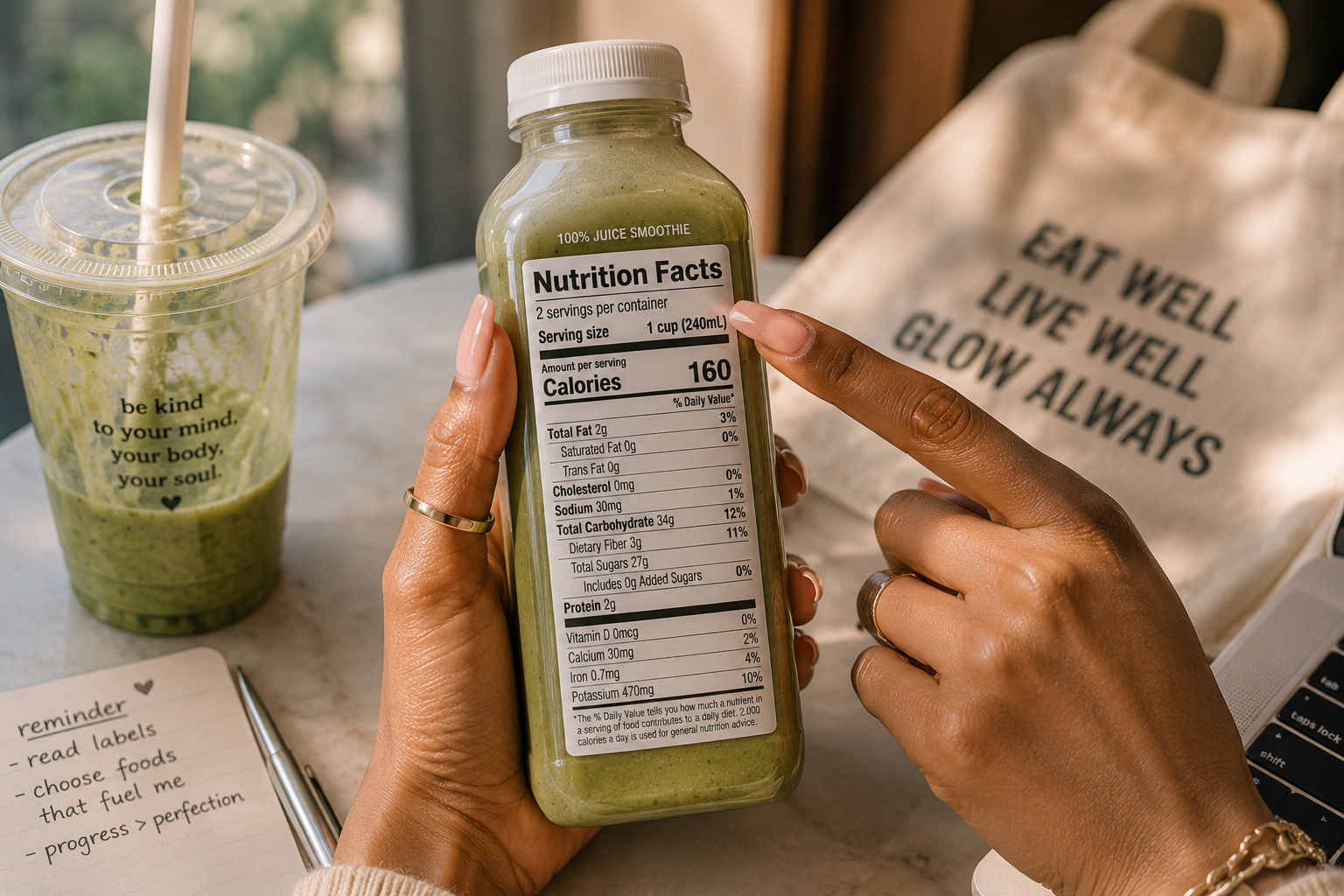
Learn How to Read Nutrition Facts, Serving Size, and Servings Per Container
The serving size on a nutrition label tells you how much the nutrition facts are based on.
And honestly? Some serving sizes are tiny.
You grab a bottled smoothie thinking it’s one serving, but the nutrition facts label says:
- 2 servings per container
- 18 grams of added sugar per serving
Now suddenly you’re drinking two servings and doubling the sugar, sodium, and calories.
This happens with:
- granola
- chips
- frozen meals
- bottled smoothies
Before buying, check the nutrition facts label and always look at:
- serving size
- servings per container
- calories per serving
Ask yourself:
“Is this based on what people actually eat?”
Because sometimes one serving is giving toddler snack.
Don’t let tiny serving sizes gaslight you. Some labels simply didn’t understand the assignment.
How to Read Nutrition Labels for Added Sugar and Total Carbohydrate
What you’ll get from this section:
- Why added sugar matters
- How sugar hides in ingredient lists
- Which “healthy” foods often contain more sugar than expected
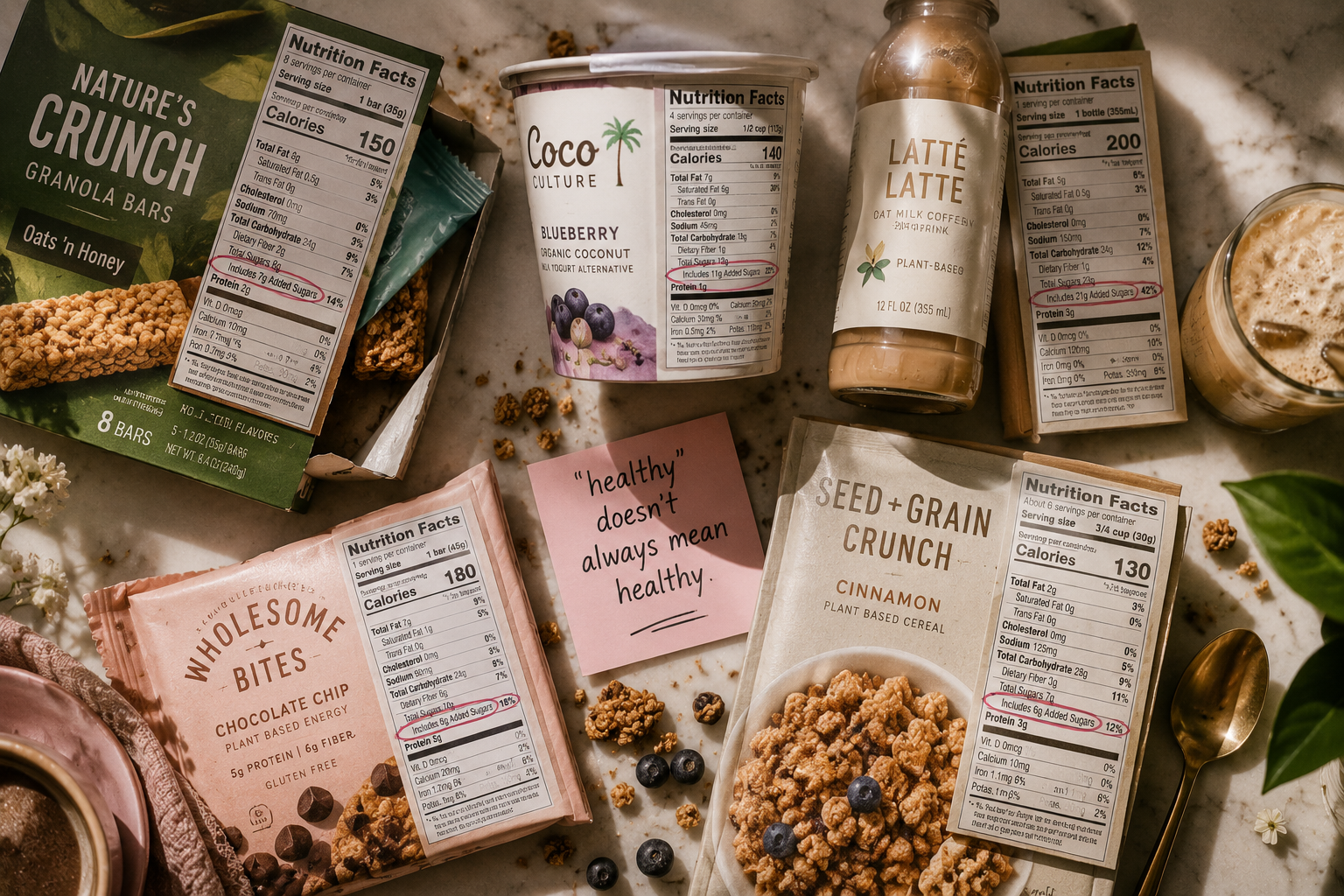
Added sugar is one of the biggest reasons people feel confused trying to read nutrition labels.
Some foods act sweet twice:
- once with the cute packaging
- then again with surprise sugar levels 👀
When you read a nutrition label, check:
- total sugar
- added sugar
- gram amounts per serving
You’ll often find added sugar in:
- granola bars
- cereals
- yogurt alternatives
- bottled coffee drinks
This isn’t about fear. It’s about awareness.
A little added sugar isn’t automatically a red flag. But eating too much added sugar over time can lead to weight gain, type 2 diabetes, and make weight management harder. But if the nutrition facts label looks more like dessert than fuel, that’s worth noticing.
Also check the ingredient list. Sugar can show up as:
- cane syrup
- agave
- dextrose
- fruit concentrate
Learn How to Understand Food Labels Faster
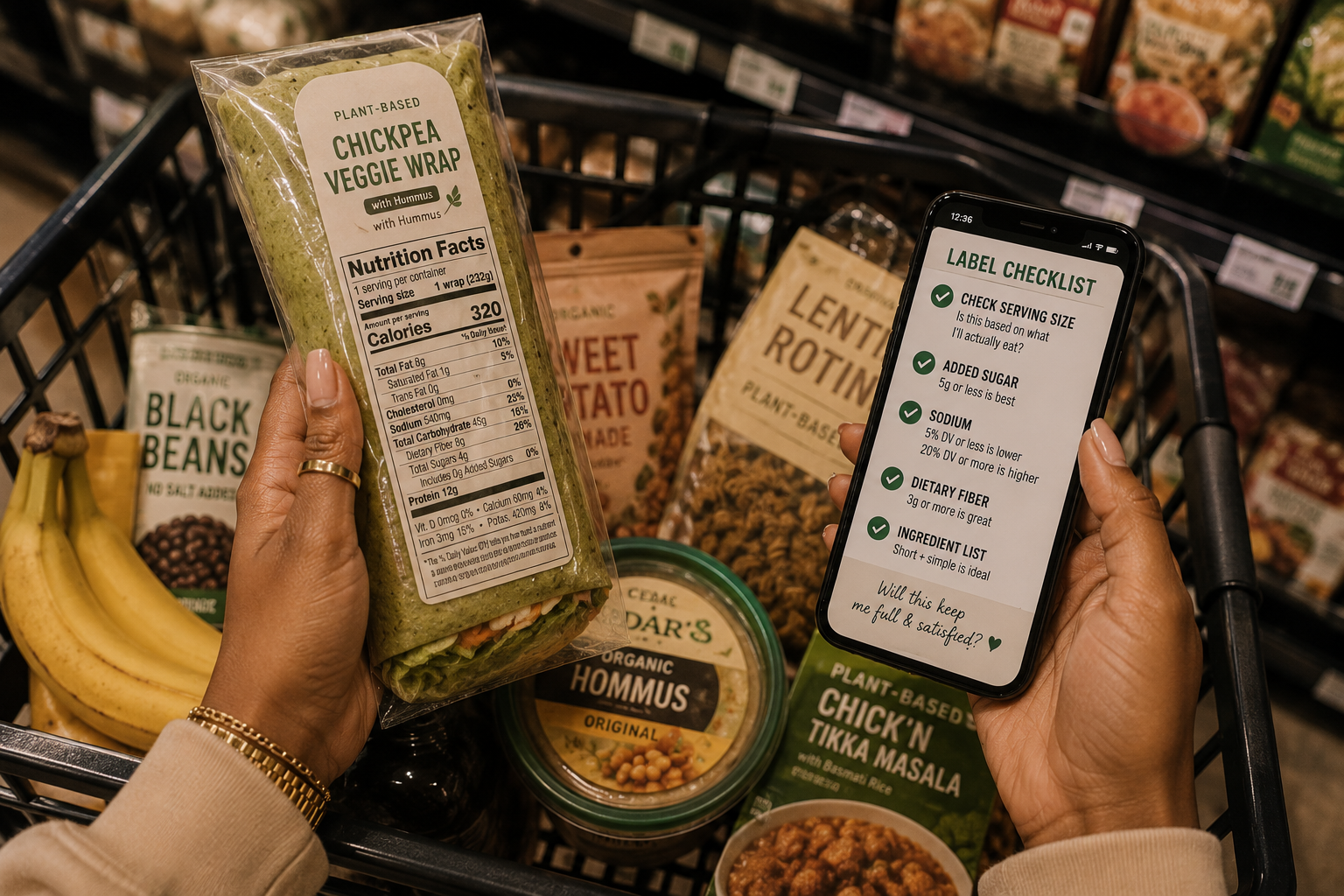
- Check the serving size first
- Look at servings per container
- Scan added sugar and sodium
- Look for dietary fiber
- Read the ingredient list
- Ask yourself: “Would this actually keep me full?”
This simple framework can help you make healthier food choices without obsessing over every nutrient.
How to Read Sodium, Daily Value, and Percent Daily Value on Food Labels
What you’ll get from this section:
- Why sodium matters
- How to compare packaged foods
- What percent daily value (DV) means
Sodium is one of those nutrients people ignore until they start checking the facts consistently.
Frozen bowls, canned soups, veggie burgers, and sauces can stack sodium quickly. Too much sodium can increase the risk of high blood pressure and heart concerns, especially when a food and beverage routine is built around heavily processed meals.
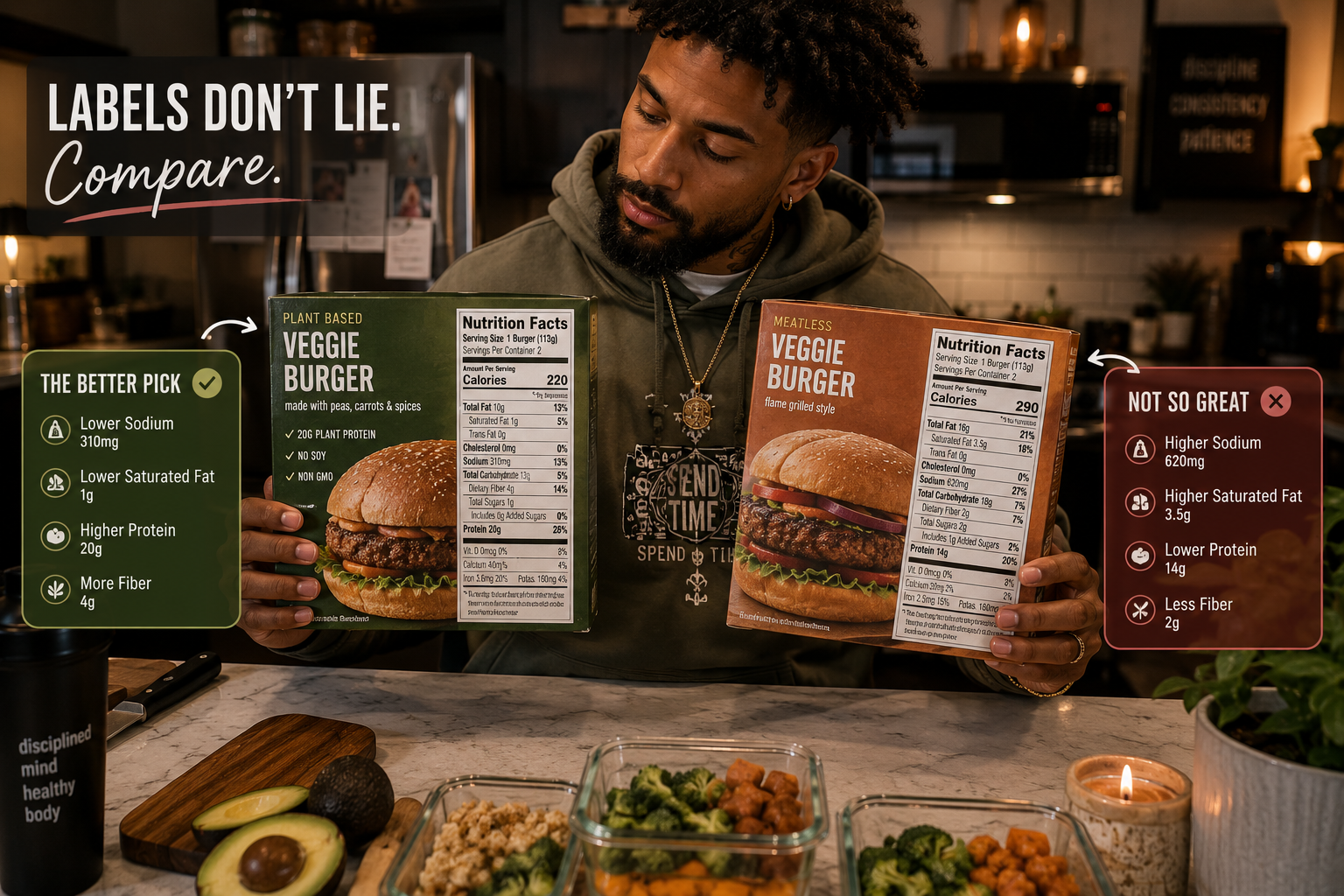
When learning how to read nutrition labels, check:
- sodium per serving
- percent daily value (DV)
- how many servings you’ll realistically eat
A quick beginner shortcut:
- 5% DV or less = lower sodium
- 20% DV or more = higher sodium
The DV for sodium helps you see if a food is high or low in sodium compared to your daily value.
- 20% DV or more = higher sodium
For example, two veggie burgers may look similar on the front. But one could contain much more sodium and saturated fat.
That doesn’t mean you can never eat it. It just helps you make healthier choices with awareness instead of confusion.
Grocery confidence isn’t about restriction. It’s about finally knowing what’s really going on in your cart.
Why Dietary Fiber Is an Important Nutrient on a Nutrition Facts Label
What you’ll get from this section:
- Why dietary fiber matters
- How fiber supports fullness
- Why some meals feel unsatisfying

If there’s one important nutrient beginners sleep on, it’s dietary fiber.
Fiber helps meals feel satisfying instead of giving struggle plate energy. High fiber meals also support overall nutrition and help you stay full longer.
When you check the nutrition facts, don’t just focus on calories. Look for:
- dietary fiber
- total carbohydrate balance
- ingredients that actually help you stay full
Higher-fiber meals can support:
- fullness
- digestion
- steadier energy
Examples of high fiber plant-based meals:
- loaded potatoes with beans
- hearty wraps
- lentil spaghetti swaps
- taco bowls
- BBQ jackfruit sandwiches
Even switching from a white wrap to a high-fiber wrap can make a huge difference.
If your “healthy” meal leaves you hungry immediately after. That’s not a glow-up, bae. That’s a setup…
Plant-based eating should feel comforting, flavorful, and realistic…not like punishment.
How to Read Ingredient Lists
What you’ll get from this section:
- How to scan ingredient lists simply
- What actually matters most
- Why balance beats perfection
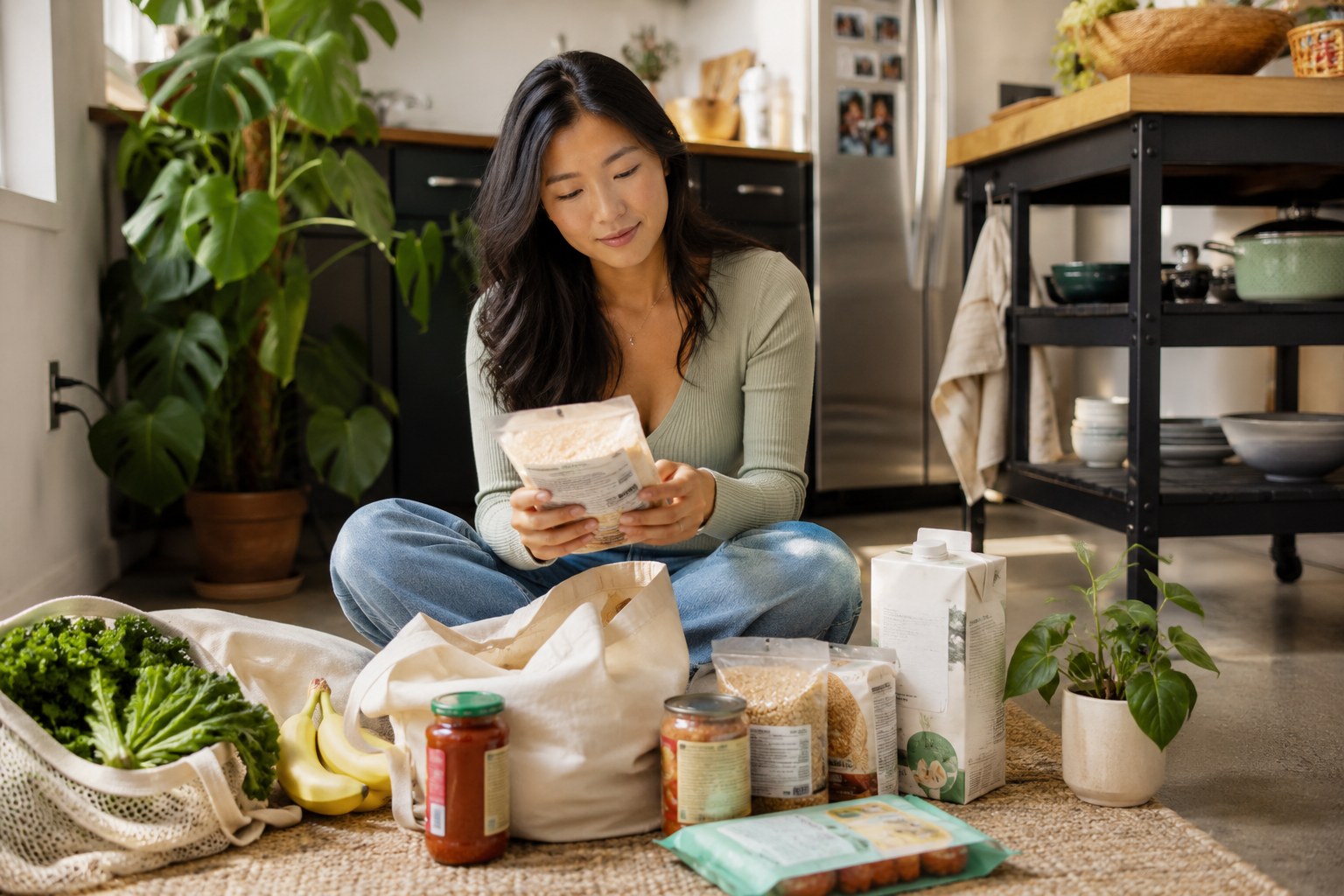
A lot of people start reading food labels and immediately panic.
Please don’t bae😭
You don’t need to memorize every nutrient, gram, or ingredient immediately. Knowing how to read labels to make informed food choices gets easier with practice.
Start simple.
When you check the ingredient list, ask yourself:
- Does this seem balanced?
- Will this actually satisfy me?
- Is this helping my healthy diet goals?
Shorter ingredient lists are not automatically healthier.
And if dairy is one of the ingredients you’re trying to avoid, my guide to spotting hidden dairy in food labels breaks down whey, casein, confusing label claims, and the packaged foods beginners should double-check.
And “organic” doesn’t automatically mean low sodium, low added sugar, or high dietary fiber.
Context matters. Balance matters.
You don’t need perfect grocery carts to stand on your plant-based business.
Nutrition Label Checklist to Help You Read and Understand Food Choices
What you’ll get from this section:
- A realistic nutrition label system
- Easier grocery decision-making
- Less overthinking in the aisles
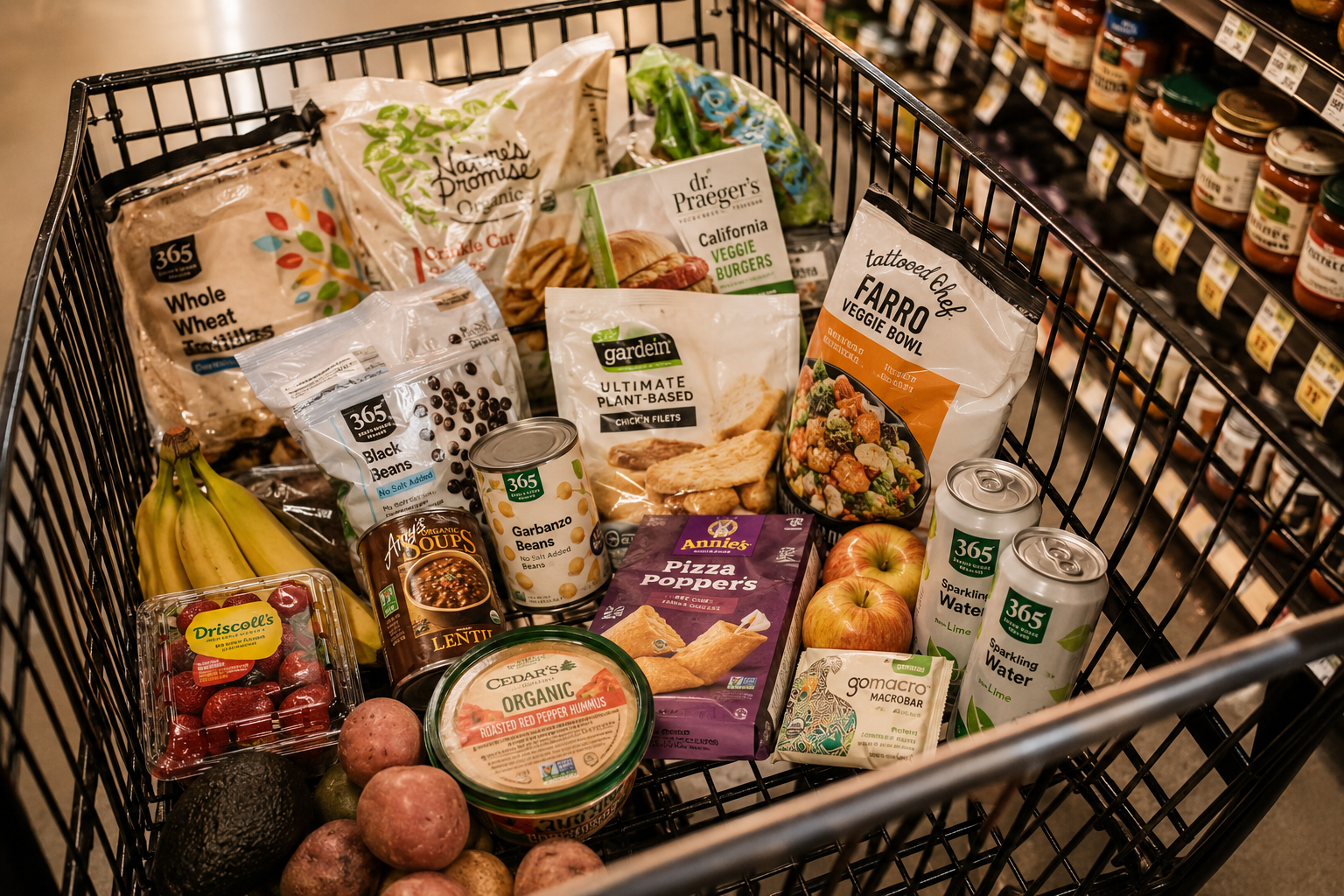
Before buying, check:
- Serving size
- Added sugar
- Sodium
- Dietary fiber
- Ingredient list
Then ask:
“Would this actually keep me full and satisfied?”
Because sometimes the “healthy” snack is just expensive air in cute packaging. Some products are high in calories, sodium and added sugars while still pretending to be healthy.
Meanwhile the hearty soup, loaded potato bowl, or meatless meatloaf option is quietly helping your glow-up flourish.
Learn How to Read Labels Without Obsessing Over Every Nutrient
What you’ll get from this section:
- A more realistic mindset
- Permission to stop obsessing
- Encouragement for real-life plant-based eating
You don’t need a flawless grocery cart to make healthier food choices.
Convenience foods can still fit. The goal is to learn how to read a nutrition facts label so you can make informed choices about what a serving of this food actually contains.
Frozen bowls? Fine. Veggie burgers? Fine. Store-bought wraps? Fine.
The goal is awareness…not perfection.
Compare products side-by-side. Learn how to read nutrition labels gradually. Aim for balance more often than perfection.
And if you want deeper grocery walkthroughs, convenience meal systems, and beginner grocery confidence support, the Inner Circle goes much deeper into real-life plant-based eating strategies.
Baby steps still move you forward. Your comeback doesn’t require perfection.
Final Thoughts on Understanding Food Labels
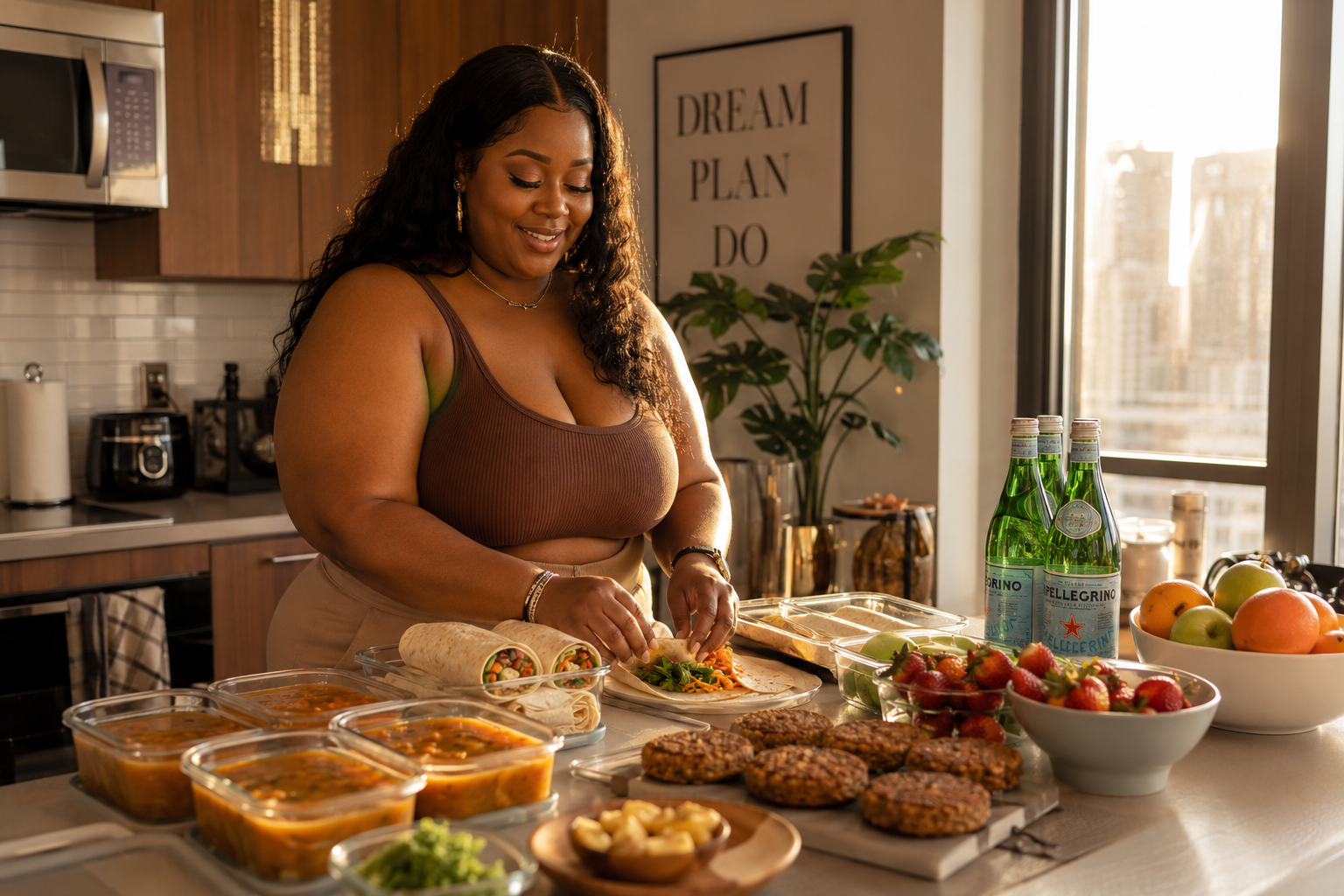
It’s about confidence.
The more you practice reading the nutrition facts label, comparing products, and checking food labels, the easier it becomes. You’ll start understanding how much one serving, grams of sugar, healthy fats, vitamins and minerals, and other nutrients listed on the label contribute to your overall nutrition.
Eventually, you stop feeling overwhelmed and start feeling intentional.
And honestly? That confidence is attractive 😌✨
Want more beginner grocery confidence without the overwhelm?
Next, read: Why Plant-Based Feels Intimidating: Your Guide to Beginner-Friendly Plant-Based Living.
Keep learning, keep glowing up, and keep standing on your plant-based business.
— The Plant Vixen