5 Common Mistakes People Make When Starting a Plant-Based Diet
It’s not always that a plant-based diet is too hard. Sometimes, the real issue is that nobody told you what’s really going on.
You start off excited. You’re buying new foods, trying to eat better, maybe even telling yourself, “Okay, this time I’m really going plant-based.”
Then a few days later, you’re standing in the kitchen confused, hungry, irritated, and wondering why this healthy lifestyle suddenly feels like a full-time job.
That’s where a lot of beginners get stuck. How do I know? Because I was once that beginner too.
Most people don’t struggle because they lack discipline. They struggle because they’re making a few quiet diet mistakes that make the whole transition feel harder than it needs to be.
So before you decide this lifestyle “just isn’t for you,” let’s talk about the 5 common mistakes that can make starting a plant-based diet feel overwhelming and what to do instead.
5 Common Plant-Based Diet Mistakes
Mistake #1: Trying to Change Everything Overnight
One of the 5 biggest mistakes beginners make when transitioning to a plant-based diet is trying to change everything at once.
You go from your usual meals to a completely new grocery list, new meals, new snacks, new cooking habits, and maybe even a whole new identity by Tuesday.
That sounds cute in theory.
But in real life? That’s a lot.
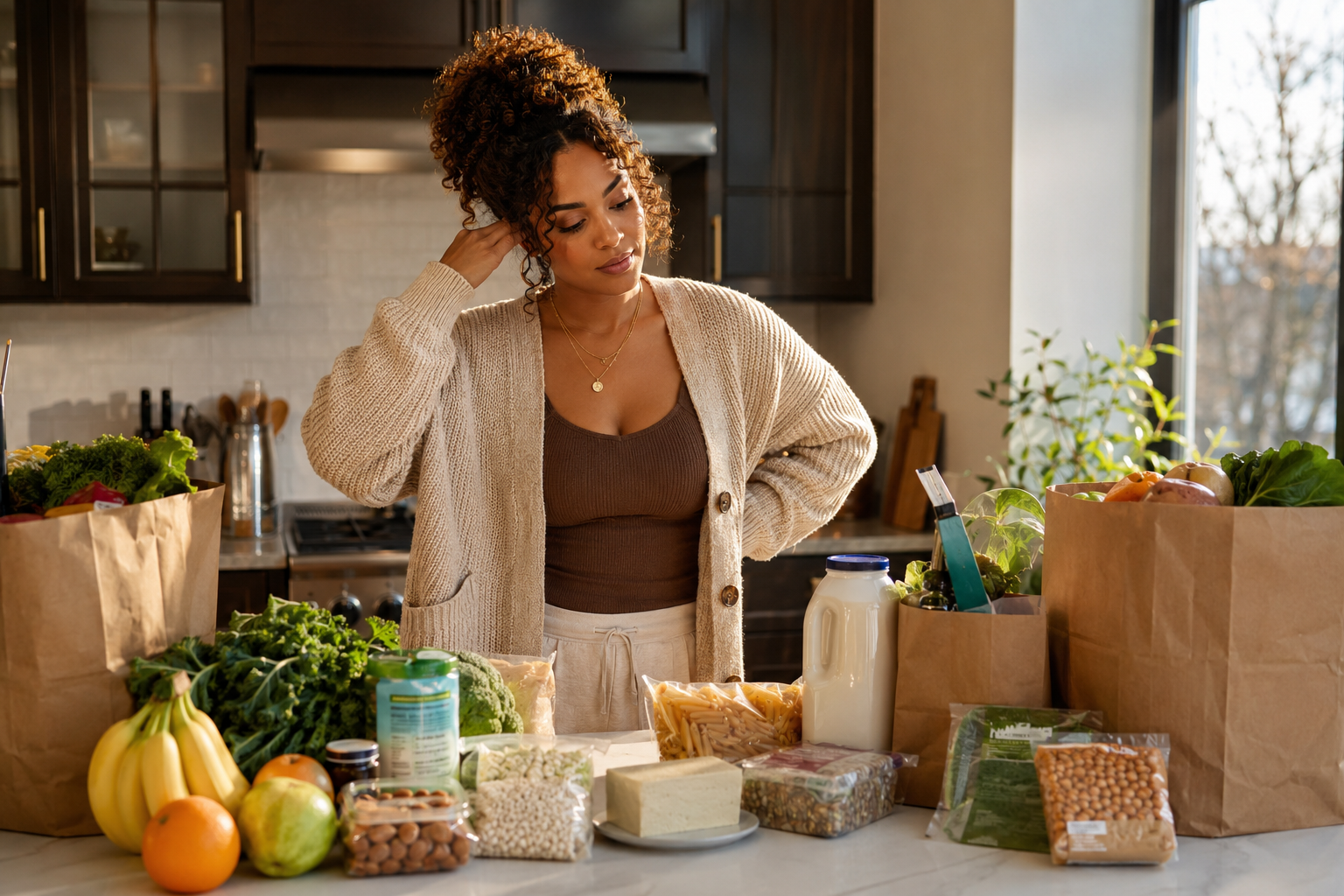
When you change everything overnight, nothing feels familiar. You don’t know what to cook. You don’t know what to buy. You don’t know what will actually keep you full. Then suddenly, your new plant-based lifestyle feels like it’s doing the most.
That’s not a glow-up, plant bae. That’s a setup.
What to do instead
Start with simple swaps.
You don’t have to rebuild your whole plate from scratch. Keep your meals familiar while slowly adding more plant-based foods into your day.
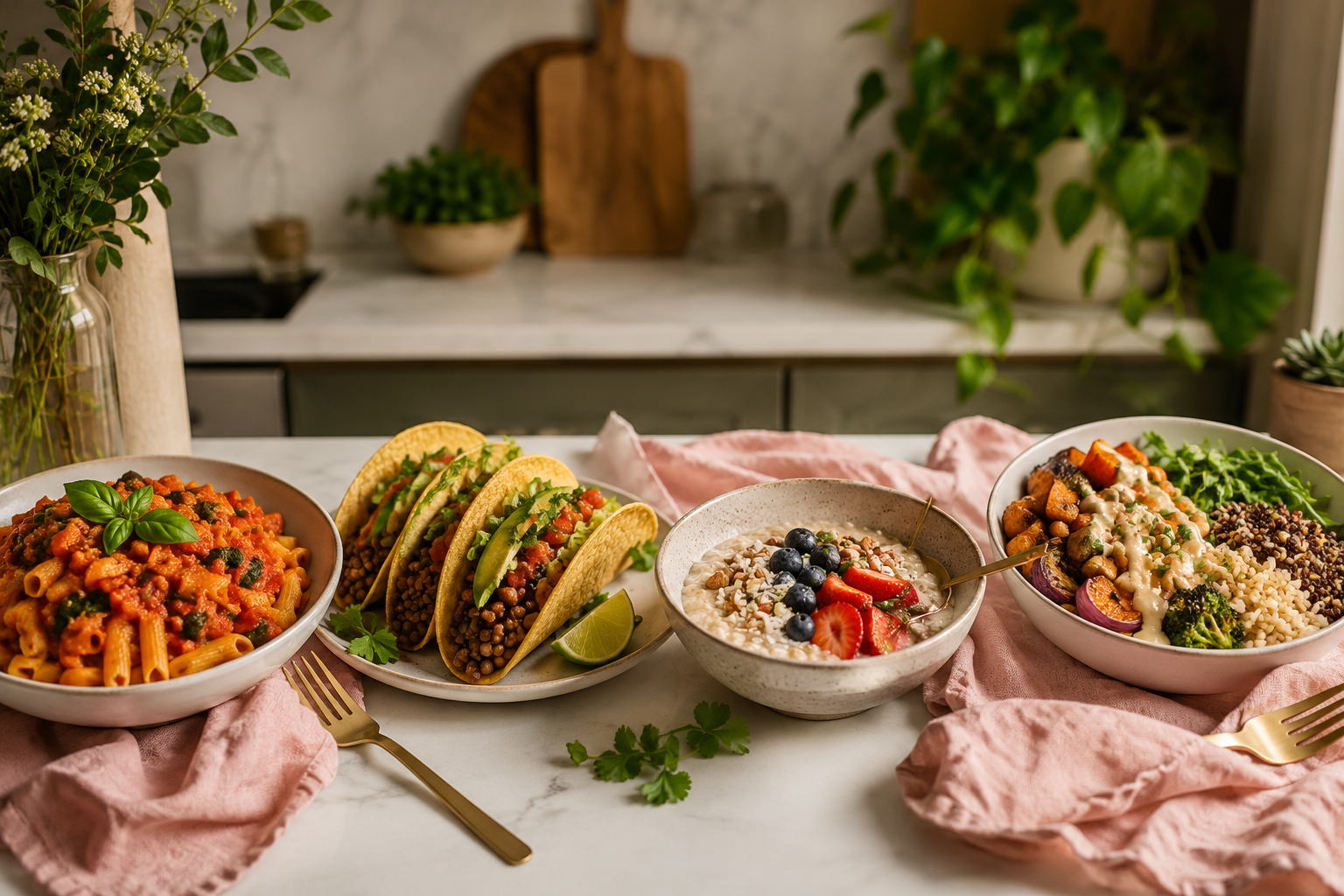
Try things like:
- regular pasta with a vegetable-heavy sauce
- tacos with beans, lentil filling, or another plant-based protein
- breakfast with oatmeal, fruit, nuts and seeds, or fortified plant milks
- bowls with brown rice, quinoa, veggies, and a simple sauce
This is how you get on a plant-based diet without feeling like you broke up with your whole life overnight. If you need the full starting point, read my plant-based diet for beginners guide.
A well-planned approach gives your mind and body time to adjust. And that matters because a well-planned plant-based diet can provide plenty of nourishment when you’re paying attention to variety, balance, and your personal needs. The NHS vegan diet guide is a helpful reference for understanding why planning matters.
Mistake #2: Not Having Easy Go-To Plant-Based Meals
Okay, so…
You say you’re eating plant-based now, but when it’s time to eat, you don’t have a plan.
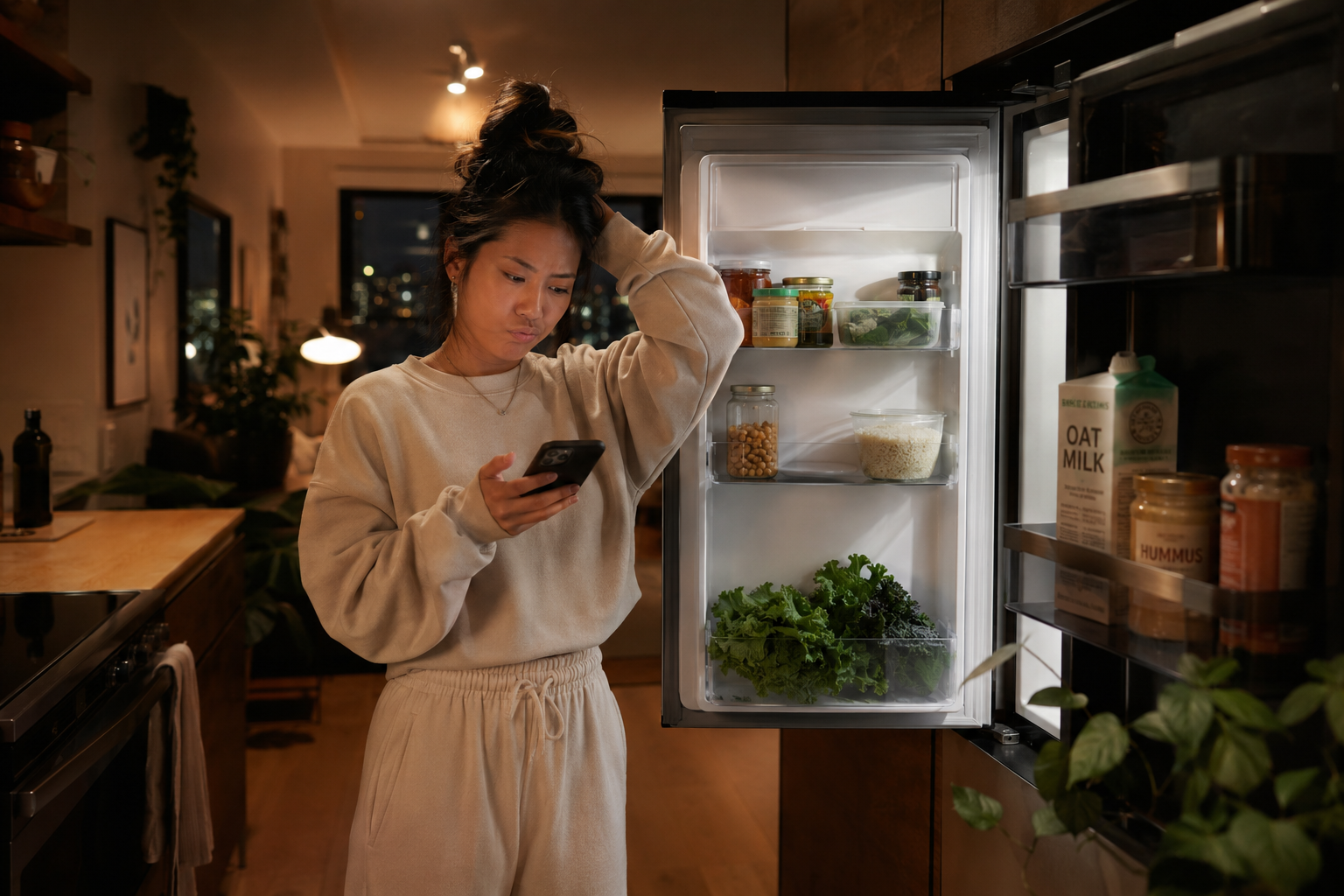
Now you’re staring in the fridge, irritated, hungry, and trying to create a whole plant-based meal from vibes and confusion.
That’s when the struggle plate shows up.
Or worse, you do the little walk of shame back to old food habits — not because you didn’t care, but because you didn’t have a backup.
This is one of those common pitfalls that sneaks up on new plant-based eaters. You don’t need a perfect meal plan, but you do need a few easy options that don’t require a full kitchen performance.
What to do instead
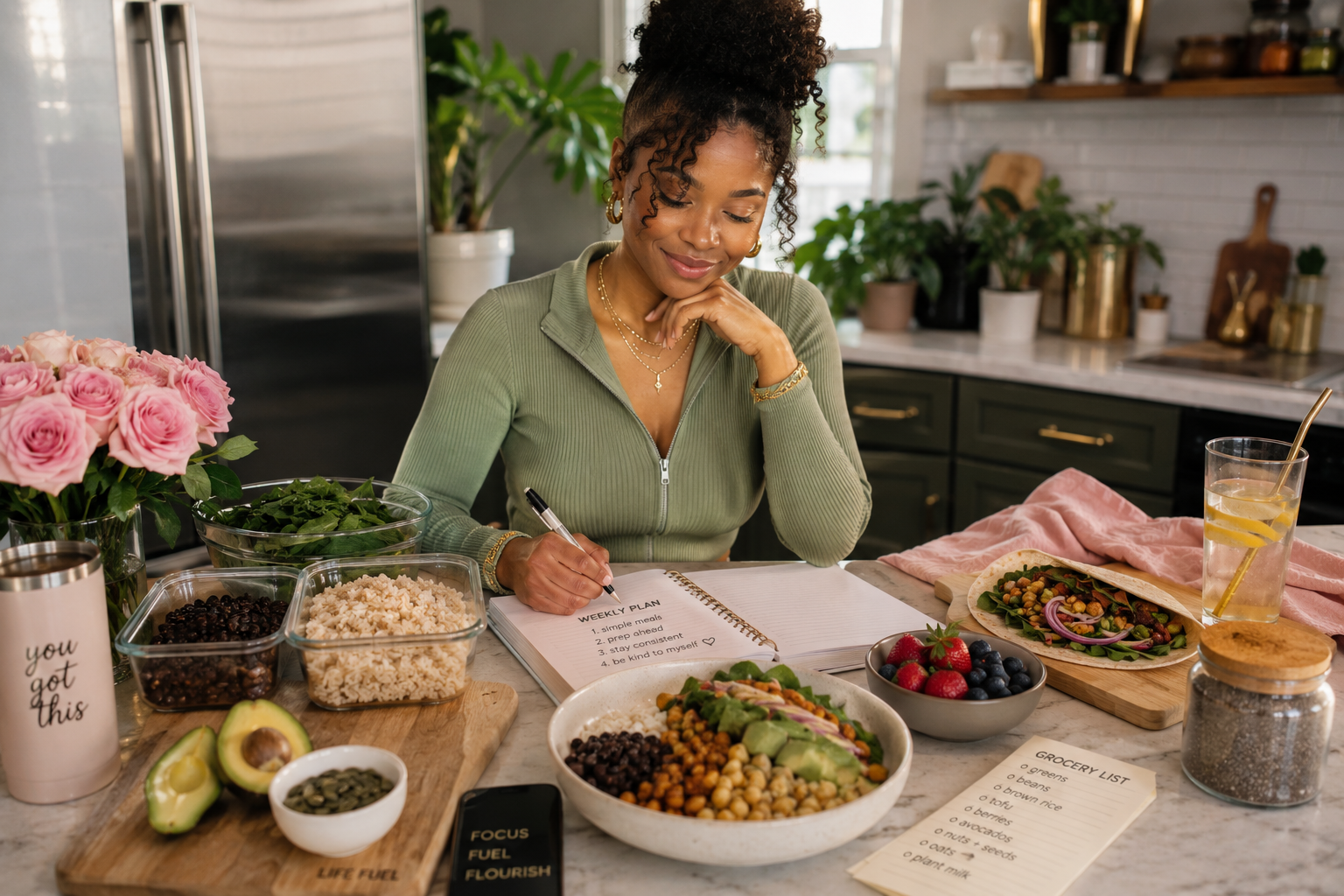
Pick two or three meals you can make without overthinking.
Think of these as your “default settings” for when life be life-ing.
A few easy ideas:
- Start with something you already know, like taco night, spaghetti, burgers, chili, loaded potatoes, or BBQ sandwiches.
- Then make one easy swap: beans instead of beef, plant-based crumbles instead of ground meat, jackfruit instead of pulled pork, or dairy-free sauce instead of regular cream sauce.
You don’t need complicated plant-based recipes every day. You need meals you’ll actually eat.
And yes, legume options like beans, chickpeas, and lentils deserve more attention. Don’t sleep on them. They’re affordable, filling, and one of the easiest sources of protein to keep around.
This is where plant-based nutrition starts getting easier. You stop depending on motivation and start building a system.
Mistake #3: Believing Every Plant-Based Food Is Automatically Healthy
Now let’s talk about the foods that be acting real innocent in the grocery store.
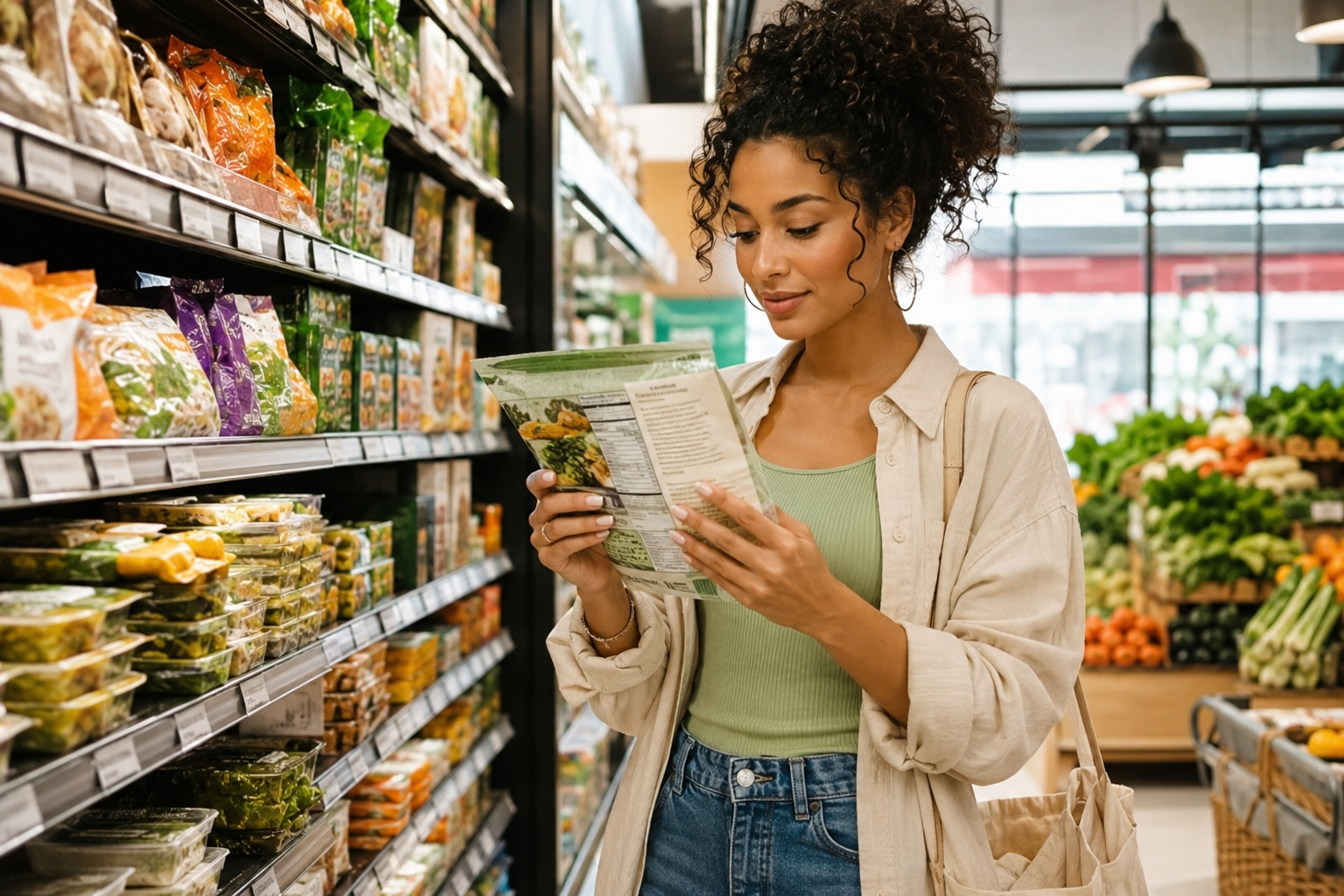
Just because something says “vegan,” “natural,” or “plant-based” does not automatically mean it’s the best choice for your body.
Some vegan food can be helpful. Some of it can be delicious. But some processed vegan products are still high in sodium, low in fiber, full of added sugars, or not very satisfying.
That doesn’t mean you can’t eat them.
It means you need to know what you’re choosing.
A plant-based diet can look very different depending on what’s on the plate. One person might be eating mostly unprocessed plant foods like beans, whole grains, fruits, vegetables, nuts, and seeds. Another person might be relying mostly on highly processed vegan snacks, frozen meals, and sweets.
Both might technically be eating plant-based, but the results won’t feel the same.
What to do instead
Start checking labels with awareness, not fear.
Look at:
- sodium
- sugar
- added sugars
- fiber
- protein
- ingredient list length
- vitamins and minerals
Use the nutrition label like a quick reality check, not a reason to panic. My guide on how to read nutrition labels can help you make informed choices without overthinking every package.
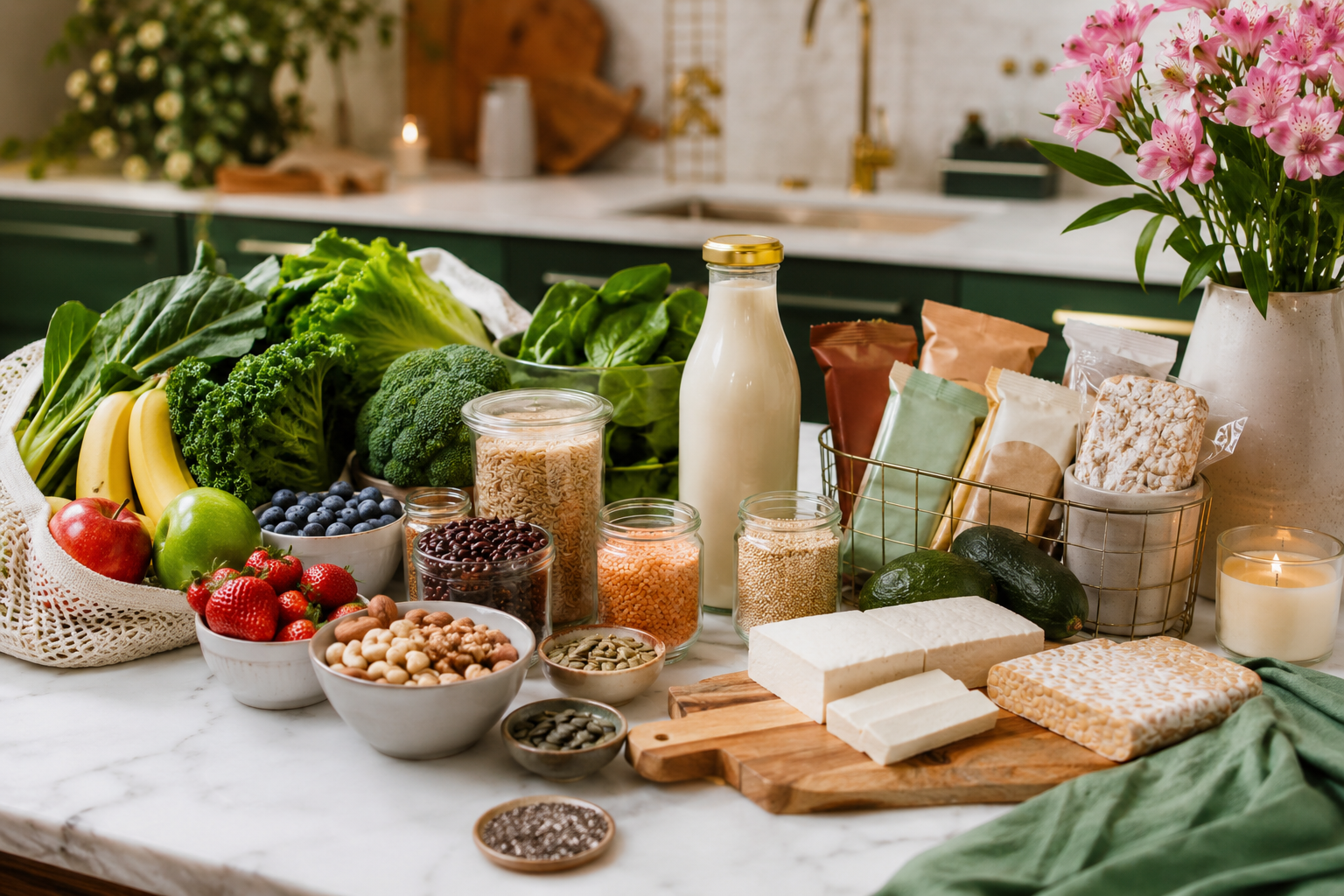
A healthy plant-based pattern usually includes more whole food options, like fruits, vegetables, whole grains, legumes, nuts, seeds, and other plant foods that help support your health.
That doesn’t mean every meal has to be untouched by human hands. Let’s be real — sometimes convenience is necessary.
But if most of your diet is built around processed food and processed vegan alternatives, you may still feel tired, hungry, bloated, or unsatisfied.
That’s why the goal is balance.
Enjoy the fun stuff when it makes sense, but let the foundation be the best whole foods you can realistically keep in your routine.
Mistake #4: Ignoring Important Nutrients
This is where some beginners get caught slipping.
They focus so much on what they’re removing that they forget to pay attention to what they’re adding.
A plant-based diet can absolutely be nourishing, but you still need to be intentional about certain nutrient needs.
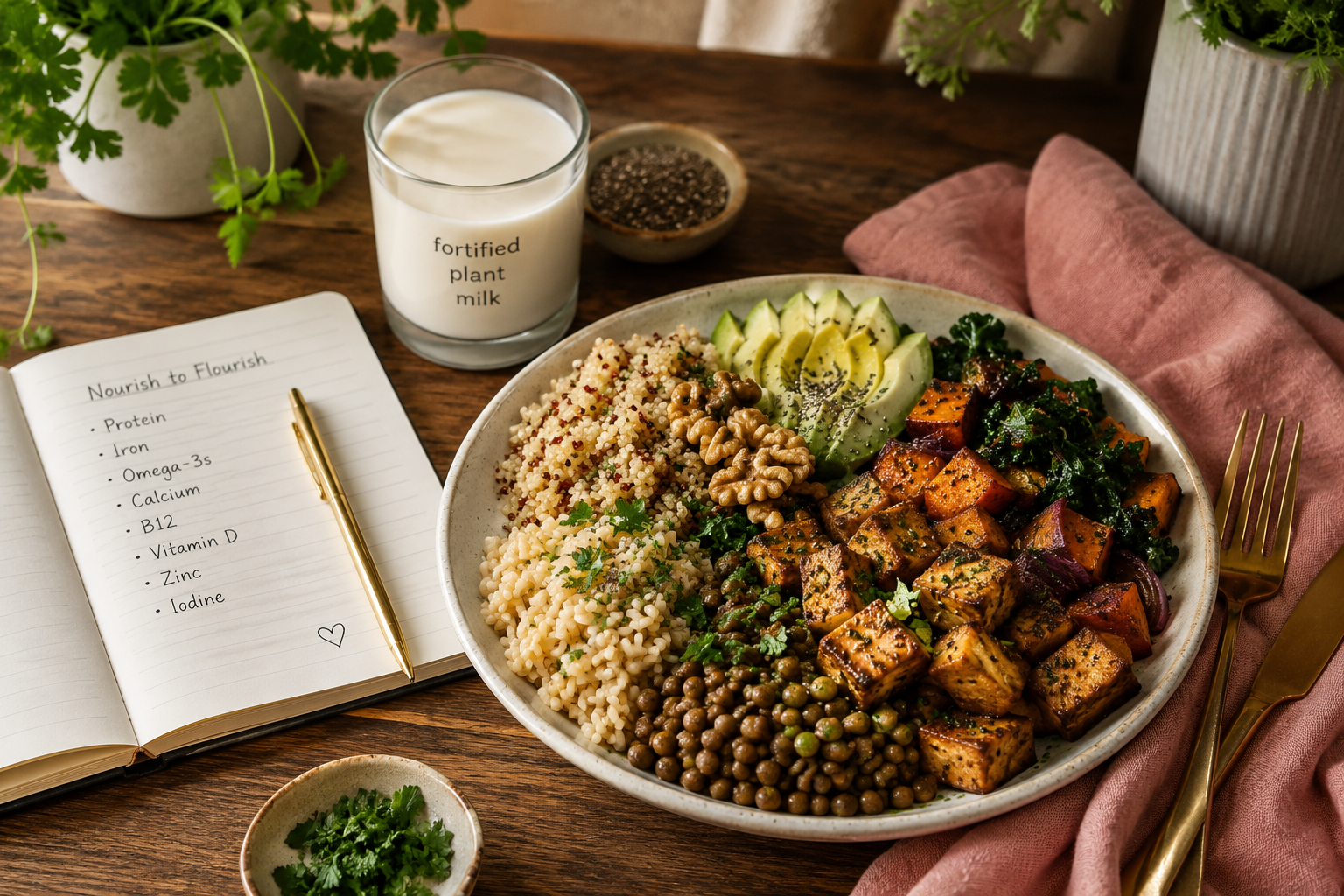
Some nutrients deserve extra attention when you’re going vegan or eating mostly plant-based, especially vitamin B12, iron, calcium, vitamin D, zinc, iodine, and omega-3 fatty acids.
Vitamin B12 is especially important because it’s mostly found in animal products, which means many vegan and plant-based eaters need fortified foods or a supplement. For a deeper health-professional reference, the MedlinePlus vitamin B12 guide explains that B12 is naturally present in animal-origin foods and added to some fortified foods.
This isn’t meant to scare you. It’s just part of standing on your plant-based business.
What to do instead
Build your meals with variety and pay attention to your body.
Include foods like:
- beans, lentils, tofu, and tempeh
- fortified foods like fortified plant milks or cereals
- dark leafy greens
- whole grains like brown rice and quinoa
- nuts and seeds
- plant sources of healthy fat
- plant-based protein options
For omega-3s, foods like chia seeds, flaxseeds, walnuts, and hemp seeds can help. Some people may also look into algae-based EPA and DHA, especially for brain and heart health.
This is also where a registered dietitian can be helpful, especially if you have health concerns, low energy, digestive issues, or specific nutritional needs.
You don’t have to guess your way through everything. A dietitian can help you make sure your plant-based diet supports your real life, not just your Pinterest board.
Mistake #5: Thinking Plant-Based Has to Be Perfect
This might be the biggest one.
A lot of beginners think going plant-based means they have to do everything perfectly from day one.
No mistakes.
No cravings.
No convenience meals.
No date night confusion.
No family dinner awkwardness.
No backsliding ever.
But plant-based eating doesn’t happen in a perfect kitchen.
It happens when you’re busy.
When you’re tired.
When you’re traveling.
When you’re eating with people who aren’t plant-based.
When you forgot to grocery shop.
When the only option available is giving “it’ll do” energy.
That’s real life.
And if you don’t know how to handle those moments, the lifestyle starts feeling impossible.
What to do instead
Stop chasing perfect and start building flexible strategies.
Try:
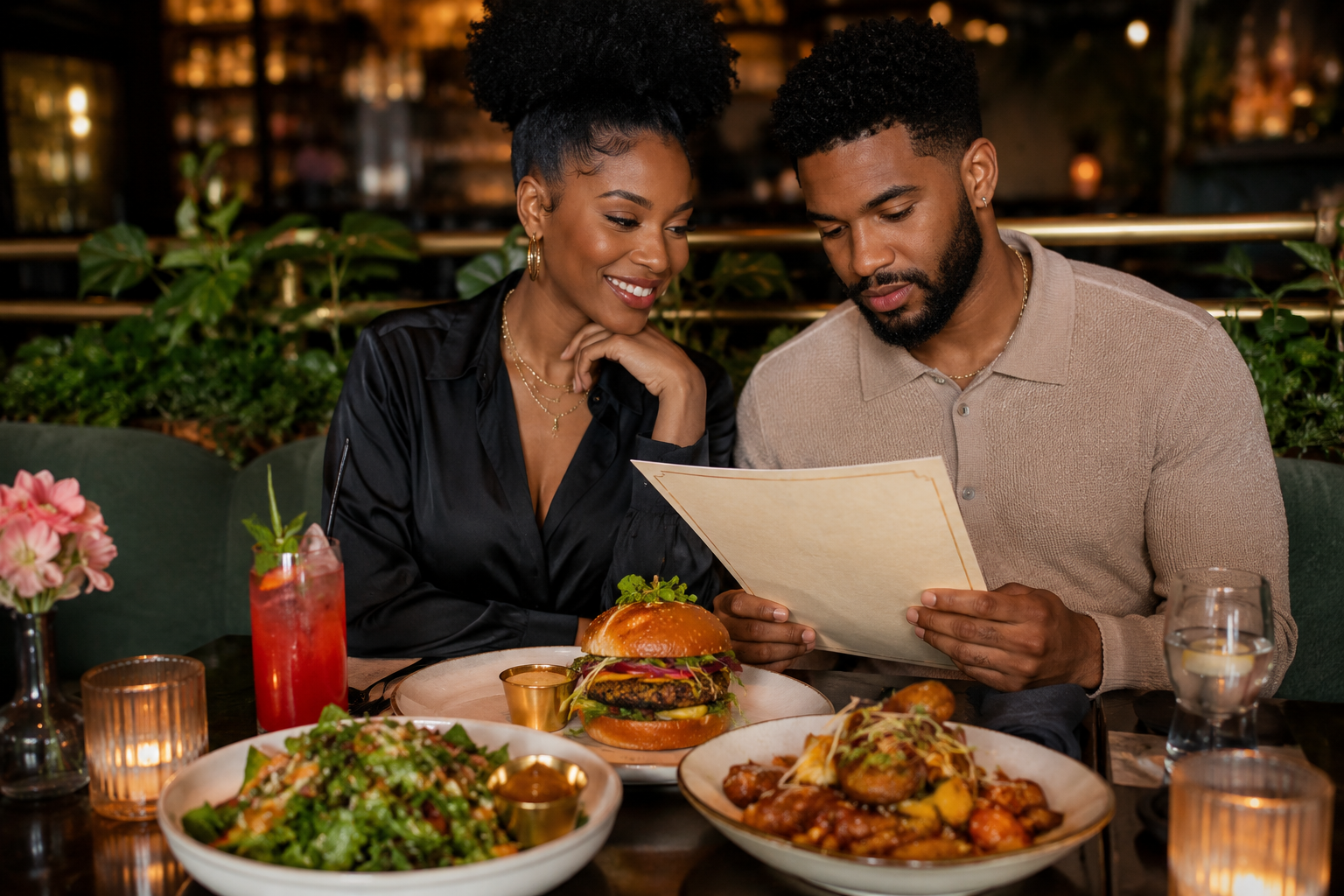
- looking up menus before you go out
- choosing the closest plant-based option instead of stressing over the perfect one
- keeping easy plant-based snacks with you
- adding more plant-based meals into your diet slowly
- having a “good enough” option for busy days
- learning what keeps you full and satisfied
This is how you avoid these 5 common mistakes without turning the lifestyle into a punishment.
A common plant-based beginner issue is thinking one imperfect choice ruins everything. It doesn’t.
One meal doesn’t define your whole plant-based journey.
The goal is not to be flawless. The goal is to keep coming back to choices that support your health, your energy, and the version of you that’s trying to do better.
How to Avoid Common Plant-Based Diet Mistakes
If you want this lifestyle to feel easier, focus on the basics first.
You don’t need to know everything about plant-based nutrition on day one. You don’t need a pantry that looks like a wellness influencer’s dream closet. And you don’t need to force yourself into foods you don’t even like.
Start here:
- keep meals familiar
- build simple go-to options
- eat enough food
- include enough protein
- use whole grains and legumes often
- check labels without obsessing
- pay attention to key nutrients
- keep easy snacks nearby
- give yourself room to learn
That’s how avoiding common mistakes becomes realistic.
Not dramatic.
Not overwhelming.
Just practical.
And honestly? That’s what makes this lifestyle last.
FAQ: Transitioning to a Plant-Based Diet
Quick Beginner Questions
What are the most common mistakes people make when starting plant-based?
The common mistakes people make include changing too much overnight, having no simple backup meals, leaning too hard on convenience vegan foods, skipping key nutrients, and expecting perfection.
The good news? Each one can be fixed with a simpler, more realistic plan.
Is a vegan diet the same as a plant-based diet?
Not always. A vegan diet usually avoids all animal products. A plant-based diet often focuses on eating more plant foods, but some people use the term with more flexibility. Either way, the quality of the diet still matters.
Can a plant-based diet provide enough protein?
Yes. A balanced diet can include plenty of plant protein from beans, lentils, tofu, tempeh, nuts, seeds, quinoa, and other protein sources.
Do I need supplements on a plant-based diet?
Some people may need supplements, especially for vitamin B12. Fortified foods can help, but it’s smart to talk with a qualified professional if you’re unsure about meeting your nutritional needs.
Is processed vegan food bad?
Not automatically. Some processed vegan options can be useful during the transition. But relying on them too much may leave you low on fiber, nutrients, or satisfaction. Balance them with whole plant foods when possible.
Final Thoughts: Don’t Make Going Plant-Based Harder Than It Has to Be
The truth is, adopting a plant-based diet doesn’t have to feel like a dramatic breakup with everything you enjoy.
You don’t have to be perfect.
You don’t have to change overnight.
You don’t have to eat meals that feel boring, bland, or unfamiliar.
You just need a smoother plan.
Start with familiar swaps. Keep easy meals ready. Learn the basics. Pay attention to nutrients. Give yourself room to grow.
Because this lifestyle isn’t about proving you can suffer through it.
It’s about creating a way of eating that feels supportive, satisfying, and realistic enough to stay with you.
And once you stop making it harder than it needs to be?
That plant-based glow-up starts hitting different. 💅🏽🌿
Your Beginner-Friendly Next Step:
- Pick one familiar meal to make plant-based this week.
- Choose two backup meals for busy days.
- Read the beginner guide before changing your whole grocery list.
Vixen Shortcut: Keep it simple: one familiar meal, one easy swap, and one backup option this week.
Ready to make your plant-based transition feel easier? Start with one simple swap this week, then read how to eat more vegetables without breaking up with your favorite foods. When you’re ready for a smoother system, grab The Plant-Based IRL Planner so you can plan your meals, swaps, and real-life backup options without overthinking everything.
💚 Vixen Note:
You’re not behind.
You’re not doing it wrong.
You just needed someone to show you
what’s really going on.
And your plant-based big sis got you!
Now let’s get you out of that overwhelmed phase…
and into a glow-up that actually feels and looks good on you.
-The Plant Vixen.