Healthy Eating Tips for Beginners: A Guide to Healthy Eating Habits That Help You Eat Healthy With Confidence
Healthy eating tips for beginners are simple steps that help you choose more supportive foods without strict rules, guilt, or perfection pressure. The goal is to build confidence with meals, snacks, grocery shopping, and plant-based swaps by learning what to add, what to check, and what to repeat.
The truth is, healthy eating feels confusing because most advice makes it harder than it has to be.
One minute you’re told to watch your sugar, eat more fiber, get enough protein, avoid too much sodium, count every calorie, read every label, meal prep, the list goes on… and somehow still enjoy your life.
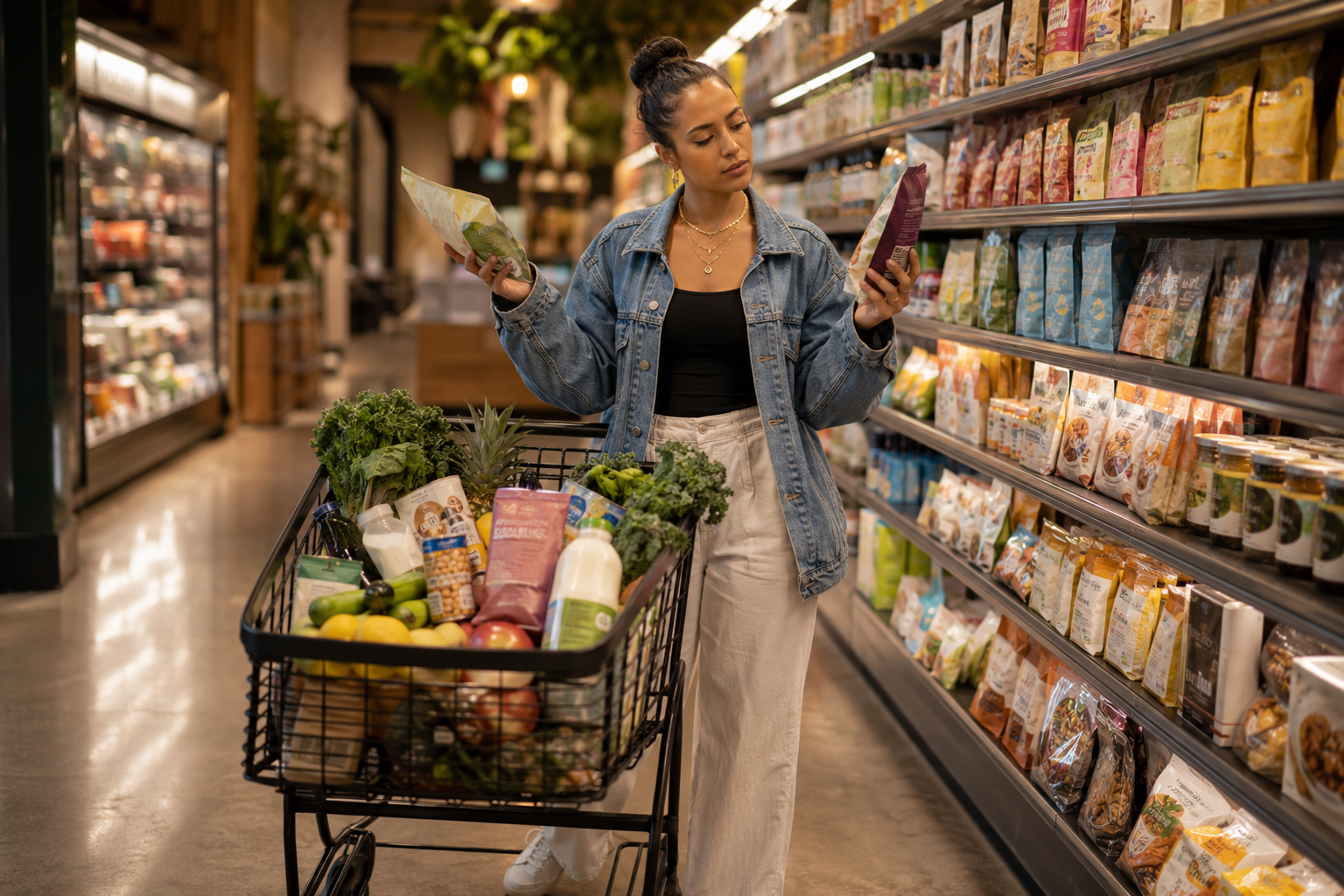
No wonder you’re standing in the grocery aisle wondering what’s actually healthy and what’s just dressed up cute on the front of the package.
And if you’re plant-curious? Now you’re also trying to figure out what to eat instead of meat, how to handle cravings, what to buy, and how to eat with meat eaters.
But here’s the part nobody talks about: you don’t need to change your whole life overnight.
You need a softer plan. A few reliable meals. A better way to read labels. Some easy grocery shortcuts. And a little big sis clarity so your plate starts feeling clear, calm, and actually doable.
Let’s get into it.
Healthy Eating Feels Harder When You Try to Change Everything at Once
Most beginners don’t struggle because they’re lazy.
They struggle because they try to change breakfast, lunch, dinner, snacks, groceries, drinks, cravings, cooking habits, and their whole food identity at the same time.
That’s not a glow-up, bae. That’s a setup.
You go from eating familiar meals to buying a cart full of brand-new plant-based items you saw online. Then you get home and realize you don’t know what half of it is, how to prepare it, or whether you even like it.
Now your fridge looks ambitious, but your confidence is on the struggle bus.
Here’s where most people mess up: they treat healthier eating like a full lifestyle rebrand.
But you don’t need to become a new person by Monday. You need to build trust with yourself one choice at a time.
Start with one small upgrade:
- Add a vegetable to a meal you already eat.
- Swap white rice for brown rice in a bowl.
- Add beans to taco night.
- Choose an unsweetened drink instead of a sugary one.
- Read one label before buying a snack.
- Pack lunch two days instead of trying to meal prep all week.
That’s how you make healthy feel realistic instead of dramatic.
If this is where you usually get overwhelmed, these [beginner plant-based mistakes that make healthy eating feel harder] will help you spot what’s been setting you up before you blame yourself.
Start with one meal, one grocery habit, or one swap. You don’t need to marry the whole lifestyle on the first night. Let it flirt with your routine first. 😉
Eat Healthy by Focusing on What Your Plate Is Missing First
A lot of beginners start with the same question:
“What do I need to stop eating?”
But the better question is:
“What can I add to make this meal support me better?”
Because sometimes your plate doesn’t need a breakup. It just needs better support.
If your meal leaves you hungry an hour later, the issue might not be that you’re “bad at trying to eat healthy.” It might be missing fiber, protein, healthy fats, or enough volume to keep you fuller.
Try adding:
- Black beans, corn, lettuce, salsa, and avocado to taco bowls
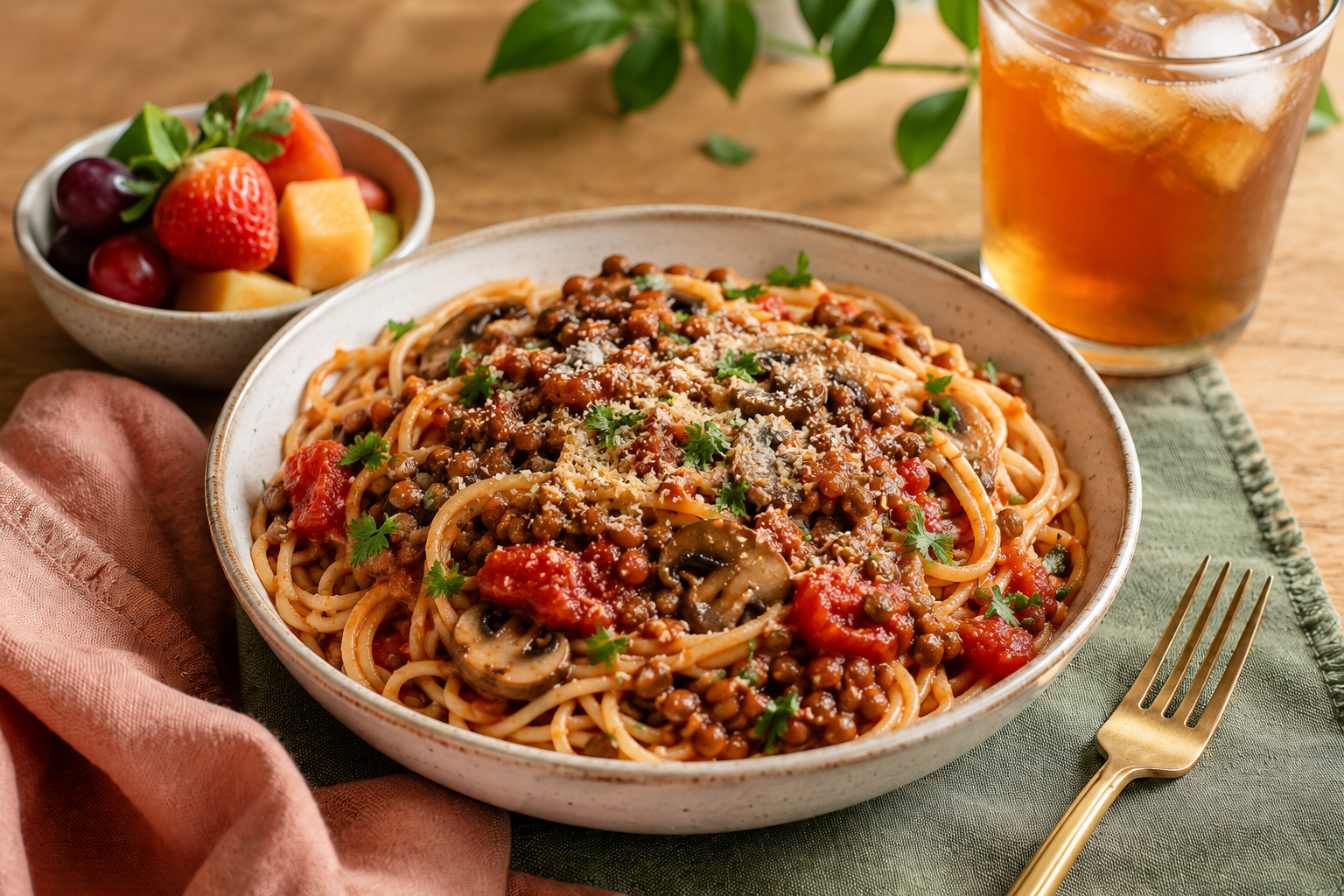
- Lentils, mushrooms, or extra vegetables to spaghetti
- Chickpeas, seeds, nuts, or avocado to a hearty salad
- Roasted vegetables to veggie burgers
- Beans and salsa to loaded potatoes
- Fruit and nuts to a quick lunch
- Whole grains to bowls, wraps, or soups
This doesn’t mean every plate needs to be perfect. It means your plate should give you something to work with.
A beginner-friendly plate can include:
- A plant-based protein source
- A grain or starchy base
- A fruit or vegetable
- A sauce, salsa, dip, or seasoning that makes it taste good
- A little fat for satisfaction, like avocado, nuts, seeds, or olive oil
And yes, that can still be quick and easy.
This is where basic nutrition starts feeling less scary. A balanced diet doesn’t mean every meal looks perfect. It means your overall pattern gives your body more of what it needs: vitamin support, mineral support, fiber, protein, healthy fats, and enough satisfaction to keep you from feeling deprived.
Healthy eating confidence grows when you stop obsessing over what to remove and start learning what your body needs more of.
Sugar, Fiber, Sodium, and Fat: Check the Back Label Before You Trust the Front
The front label is marketing.
The back label is where the truth starts talking.
Some foods be selling you a dream in the grocery store. “Natural.” “Low-fat.” “Plant-based.” “High protein.” “Made with whole grains.” “Light.” “Better-for-you.”
Cute words. But what’s really going on?
Here’s the quiet red flag: a food can sound healthy on the front and still be high in added sugars, low in fiber, high in sodium, or not very filling.
That doesn’t mean you need to fear packaged food. It means you need to stop letting cute packaging charm you into ignoring the details.
Front Label vs. Back Label
Front label says:
- Plant-based
- Natural
- Low sugar
- High protein
- Made with whole grains
- Light
Back label may reveal:
- Added sugars
- High sodium
- Low fiber
- Tiny serving size
- Long ingredient list
- More saturated fat than expected
- Not enough protein to keep you satisfied
For beginners, keep the label check simple. Look at added sugars, fiber, protein, sodium, saturated fat, serving size, and calorie amount.
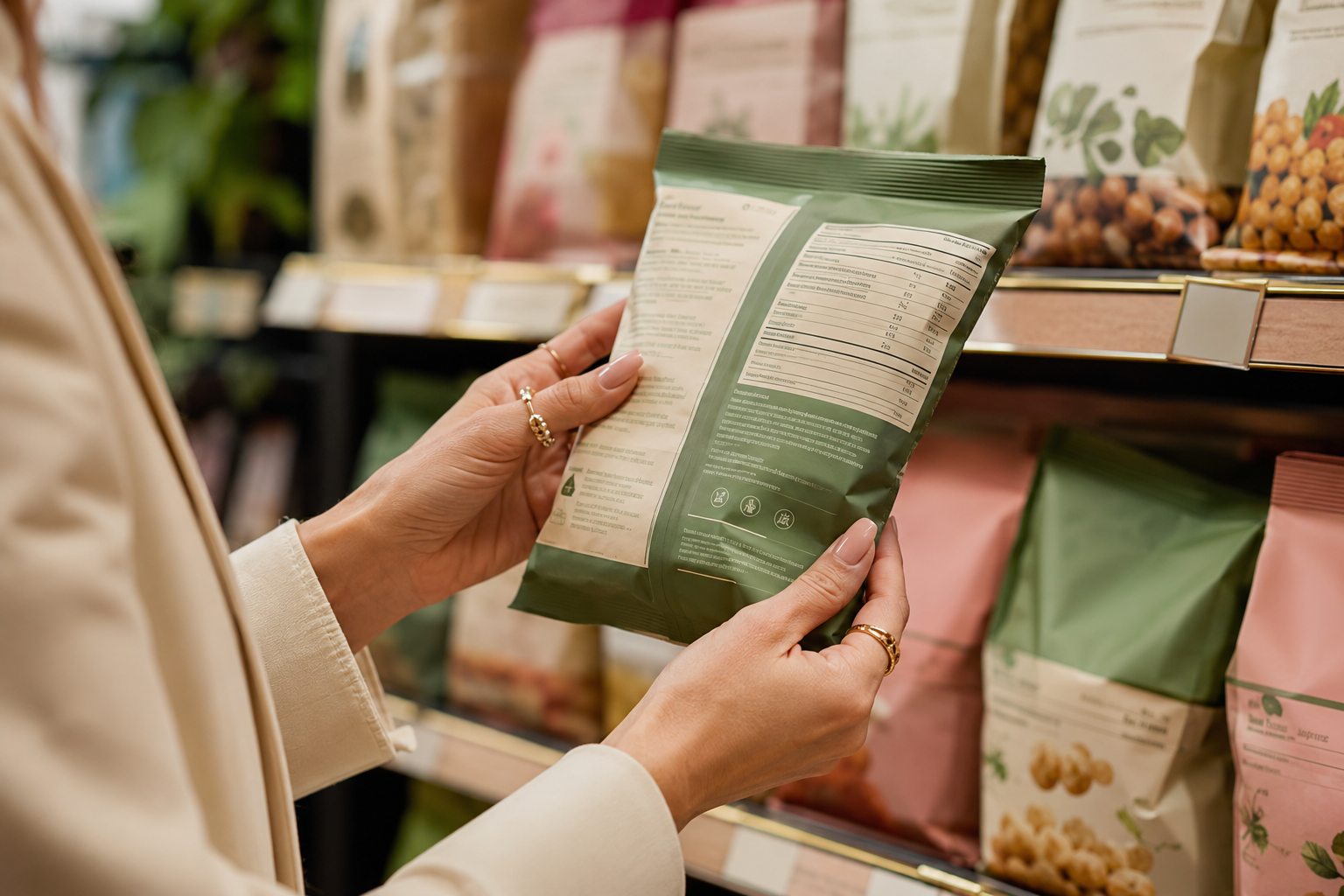
Added sugars can show up in snacks, sauces, dressings, cereal, granola, flavored dairy alternatives, and drinks. Sodium can climb fast in frozen meals, canned soups, sauces, and packaged snacks. Saturated fat can still show up in some plant-based convenience foods, so don’t assume the label understood the assignment just because it says “plant-based.”
Also, don’t forget drinks. A sugary coffee, juice, or bottled drink can sneak in more sugar than expected. Choosing an unsweetened option sometimes gives you more control without making the whole day feel strict.
For a deeper breakdown, read [how to read nutrition labels without getting confused] so you can spot what the front label isn’t telling you.
You don’t need to become a nutrition expert overnight. Just start checking the back label before you let the front label sell you a fantasy.
Food Group Confidence: Build Repeatable Meals Instead of Chasing Perfect Meals
Now this is where it gets interesting.
A lot of beginners think they need a different meal every day to eat better. But honestly? That’s exhausting.
You don’t need to reinvent your meals every day.. You need a few go-to plates that understand the assignment.
Repeatable meals are meals you can make again and again without overthinking. They help you build confidence because you already know what to buy, what goes together, and what actually satisfies you.
Think of each food group like part of the outfit:
- A grain or starchy base
- A protein source
- A vegetable or fruit
- A flavorful topping, sauce, or seasoning
- A little healthy fat for satisfaction
That might look like taco bowls, loaded potatoes, wraps, bowls, hearty salads, veggie burgers, or meatless spaghetti.
5 Beginner-Friendly Meals That Make Healthy Eating Easier
- Taco bowls with rice, beans, lettuce, corn, salsa, and avocado
- Loaded potatoes with beans, vegetables, salsa, or guacamole
- Meatless spaghetti with lentils, mushrooms, or plant-based crumbles
- Veggie burgers with roasted potatoes or salad
- BBQ jackfruit sandwiches with slaw or a simple side
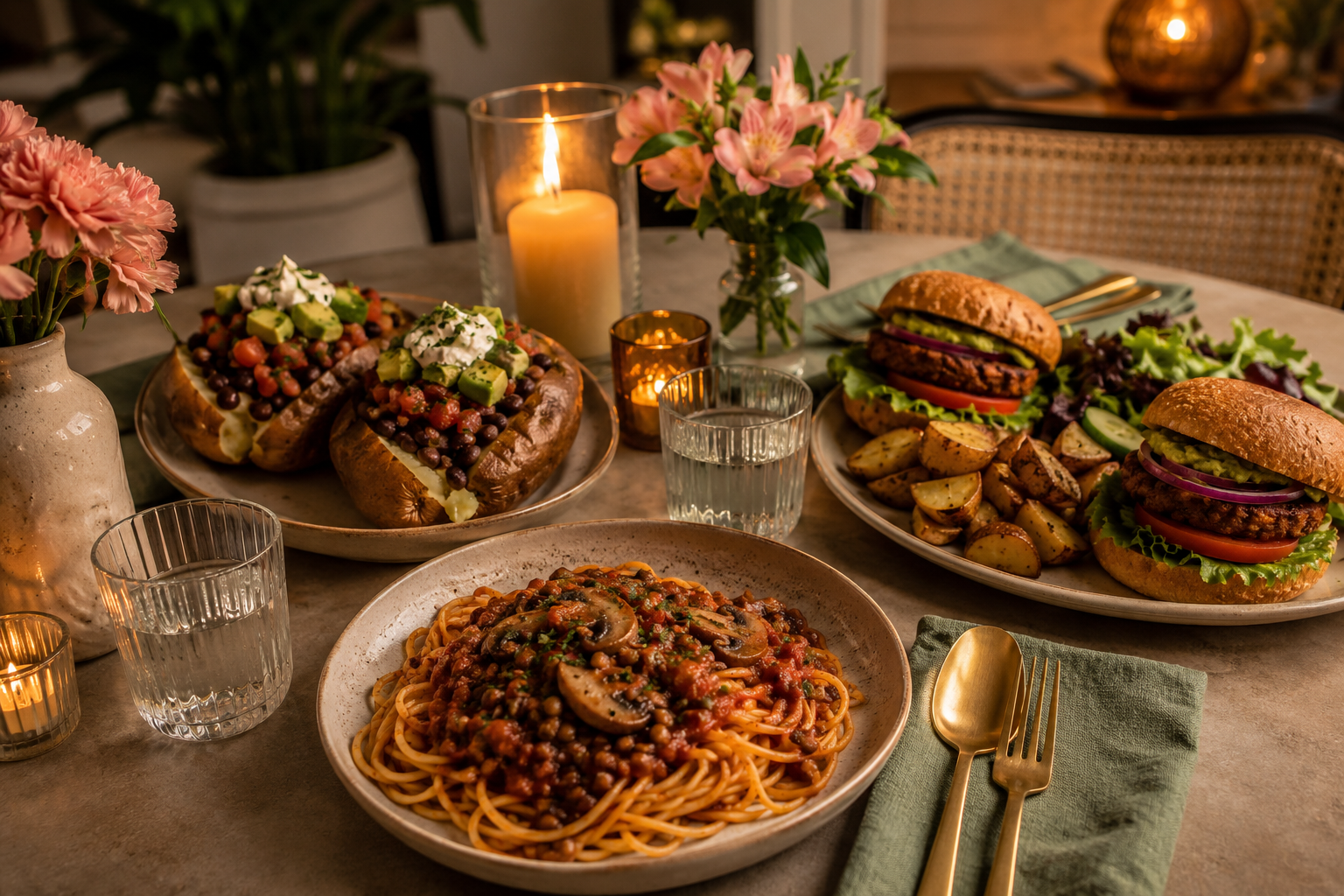
You can also keep meatless meatloaf, jackfruit roast with potatoes and carrots, wraps, bowls, and hearty soups in the rotation.
For mixed-food households, flexibility helps. Maybe your family has spaghetti night, and they use beef or poultry in theirs while you make lentil spaghetti or use plant-based crumbles. Same meal vibe, different protein choice.
That’s not being difficult. That’s standing on your plant-based business.
If you’re trying to keep your meals familiar while easing into plant-based, these [beginner-friendly plant-based meat alternatives] can help you find swaps that still feel comforting, filling, and easy to use, to make your transition easier.
Confidence loves repetition. Build a few meals you can come back to, and suddenly, healthier eating doesn’t feel like a guessing game every night.
Fruit, Vegetables, and Comfort Food Swaps Can Help You Handle Cravings
This is where your glow-up usually gets tested.
Cravings.
And cravings don’t always show up politely. Sometimes they come in loud after a long day, when you’re tired, stressed, underfed, or surrounded by people eating everything you used to eat.
Cravings are like that toxic ex texting “you up?” right when your routine gets weak.
The answer is not shame. The answer is a better plan.
A craving can mean:
- Your meal wasn’t filling enough.
- You didn’t eat enough earlier.
- You’re stressed or tired.
- You miss familiar flavors.
- Your plan is too strict.
- You don’t have easy backup meals around.
That’s information, not failure.
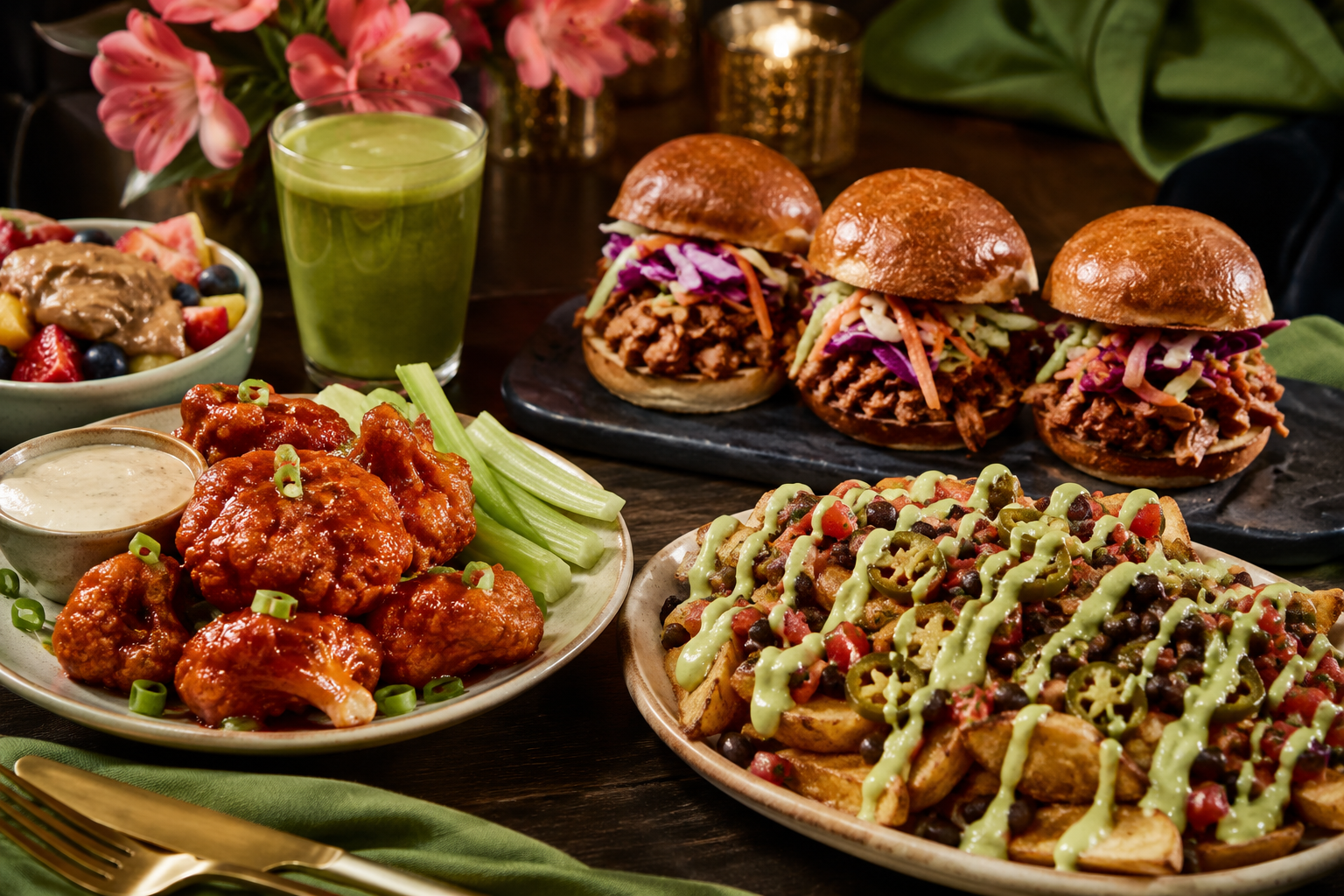
Instead of treating cravings like a personal flaw, build a few comfort-food swaps into your week.
Try:
- Craving fried chicken? Try cauliflower wings or crispy mushroom bites.
- Craving BBQ pork? Try BBQ jackfruit sandwiches.
- Craving fast food? Try a veggie burger with roasted potatoes.
- Craving something filling? Try a loaded potato with beans and toppings.
- Craving pasta? Try meatless spaghetti with lentils or plant-based crumbles.
- Craving sweet? Try fruit with nut butter, a smoothie, or a small sweet snack you actually enjoy.
Fruit can be a soft little lifesaver. It gives sweetness, freshness, and a simple way to add more nutrient support without making the moment feel strict.
Same with vegetables when they’re seasoned well. Nobody wants sad steamed broccoli with no flavor. But roasted vegetables, seasoned cauliflower wings, crispy potatoes, or a loaded salad with texture? Now that’s my type of carrying on.
Ask Yourself This When a Craving Hits
- Did I eat enough today?
- Was my last meal satisfying?
- Am I craving flavor, texture, or comfort?
- Do I have a plant-based option with the same vibe?
- Am I trying to be too strict?
When your cravings get loud, [why plant-based cravings and confusion happen at first] will help you figure out what your body, habits, or routine might be asking for.
A craving is not a character flaw. It’s your plate, mood, schedule, or routine asking for more support.
Meal Planning and Grocery Shortcuts Make Healthier Eating Easier on Busy Days
The best plan is not the one that only works when your week is calm, your kitchen is clean, and your energy is high.
The best plan is the one that still works when the day is doin the most.
Because life be life-ing, so your food plan doesn’t fall apart the minute life gets loud.
This is where meal planning comes in, but not in the overwhelming “cook 18 containers on Sunday” way. Think of it more like having a soft little backup plan.
Keep foods around that help you build something fast:
- Bagged salads
- Frozen vegetables
- Microwave rice
- Canned beans
- Pre-cut fruit
- Wraps
- Veggie burgers
- Frozen cauliflower wings
- Soup starters
- Salsa
- Guacamole
- Plant-based dips
- Quick oats
- Trail mix
- Ready-to-heat grains
These are not “lazy” foods. They’re support foods.
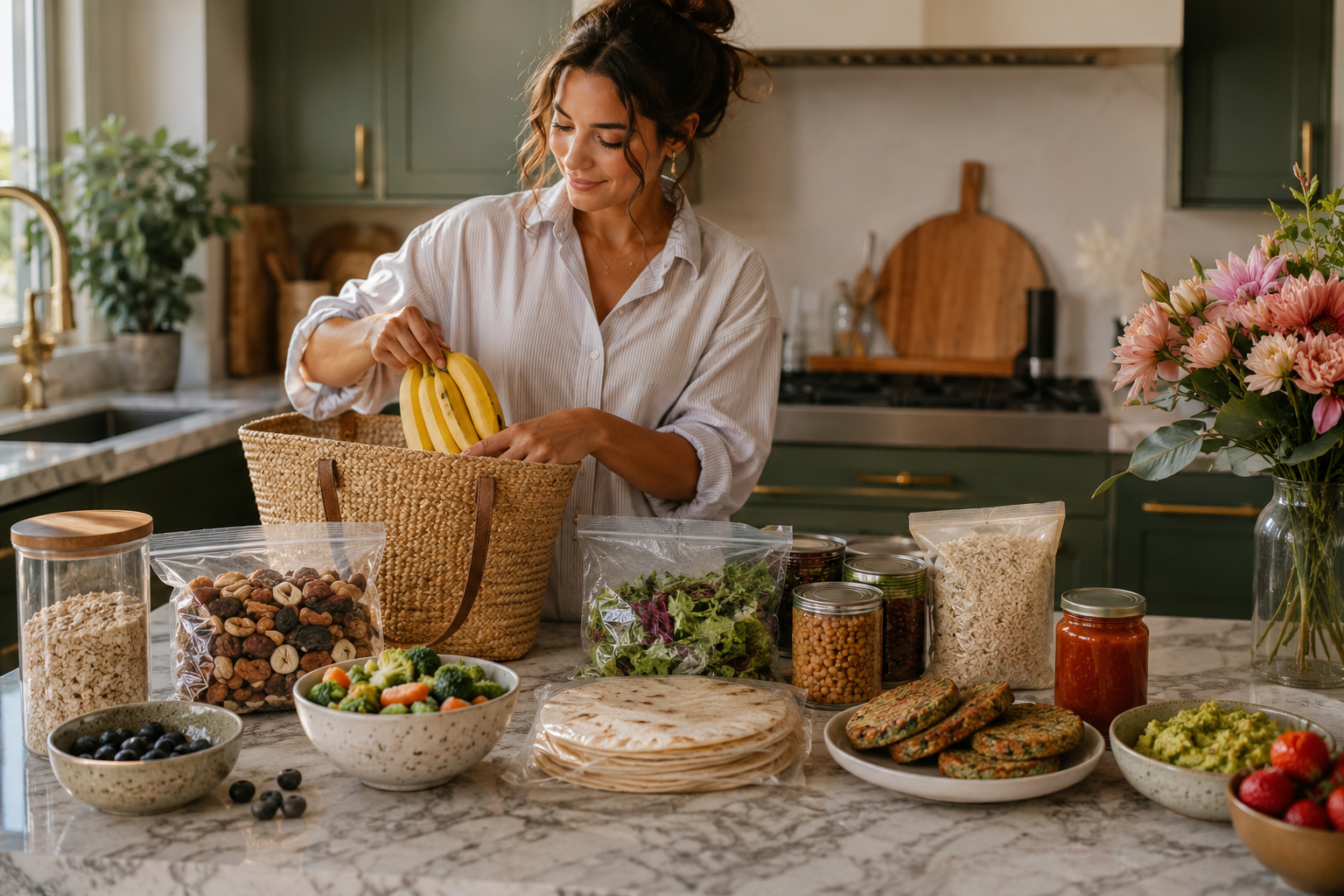
A veggie burger and roasted potatoes can save dinner. A bowl with rice, beans, salsa, avocado, and lettuce can save you from ordering something you didn’t even really want.
Beginner-Friendly Grocery Shortcut Formula
Use this when you don’t know what to buy:
- 1 easy base: rice, potatoes, wraps, oats, pasta
- 1 protein: beans, lentils, veggie burgers, plant-based crumbles
- 1 vegetable: fresh, frozen, or bagged
- 1 sauce or topping: salsa, hummus, guacamole, dressing
- 1 fruit: apples, berries, oranges, grapes, bananas
Grocery shortcuts are not cheating. They’re how you stop letting a busy week push you into a meal that doesn’t love you back.
Build Healthy Eating Habits With Small Wins, Not Perfect Days
Here’s the part nobody tells beginners: confidence doesn’t come from one perfect week.
It comes from small wins you repeat.
One messy meal doesn’t erase your progress. One snack doesn’t ruin your glow-up. One dinner out doesn’t mean you need to take the walk of shame back to old habits and start over on Monday.
The real glow-up is when one imperfect choice doesn’t make you quit the whole lifestyle.
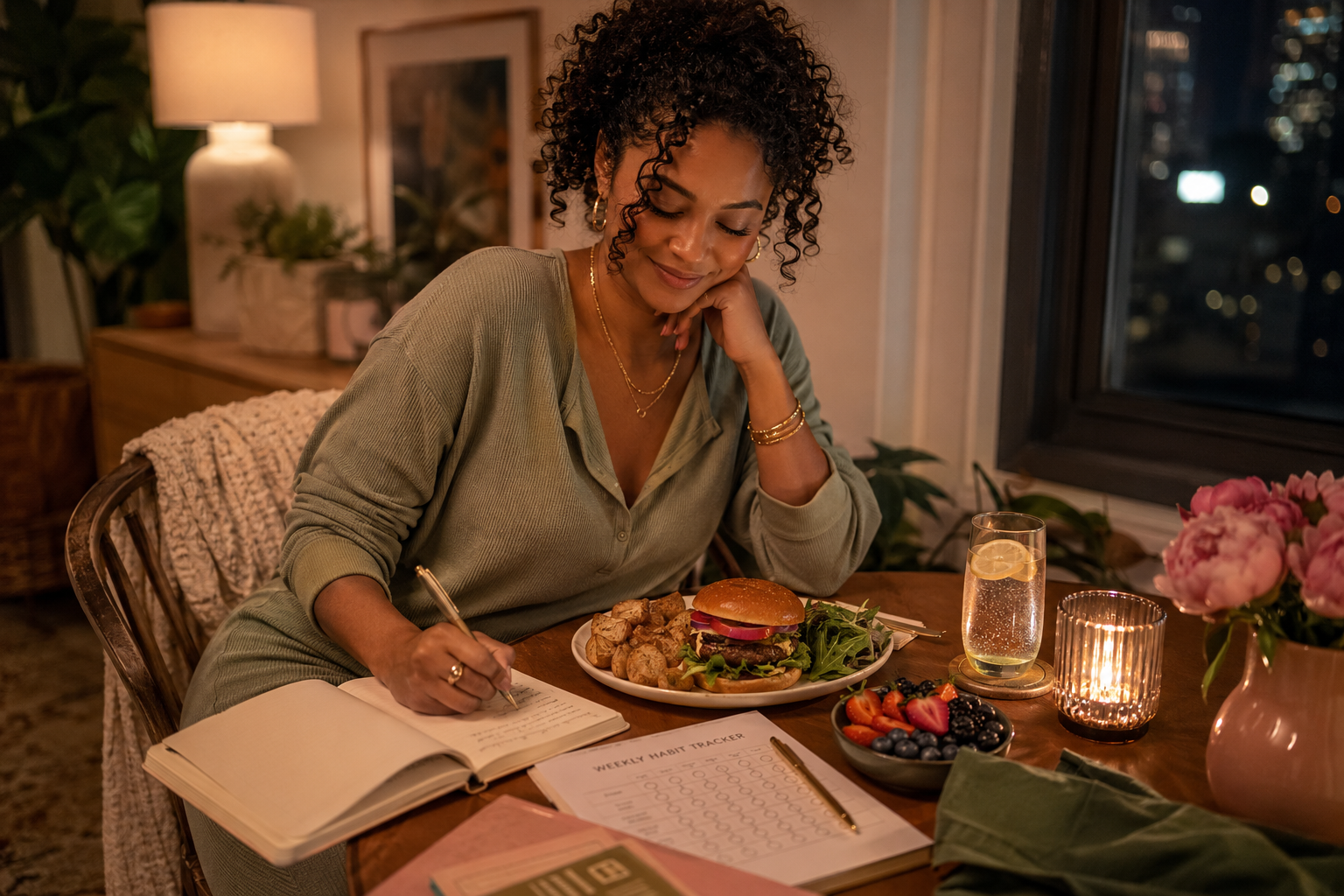
Small wins might look like:
- Packing lunch three days this week
- Eating plant-based breakfast most mornings
- Choosing a veggie burger while eating out
- Adding vegetables to dinner
- Reading one label before buying a snack
- Choosing fruit instead of a sugary snack
- Trying one new plant-based comfort food swap
- Keeping canned beans and rice on hand
- Ordering the best available option on date night
Healthy habits don’t need to be dramatic to count.
A lot of people connect food choices with long-term goals like more energy, better routines, managing weight gain, or supporting health concerns connected to obesity, heart disease, type 2 diabetes, cholesterol, and high blood pressure.
But fear-based motivation only takes people so far.
Confidence-based motivation lasts longer.
You’re not trying to scare yourself into eating better. You’re learning how to support yourself better.
Ask Yourself This Weekly
- What’s one choice I repeated this week?
- What meal felt easiest?
- What made me want to backslide?
- What can I make easier next week?
- What grocery shortcut helped me?
- What meal actually satisfied me?
That reflection keeps the journey honest without making it harsh.
If you’re ready to go deeper, Nutrition Confidence: The 21-Day Blueprint can help you stop guessing,
what your plate needs and start building a clearer, calmer approach to food choices.
Vixen Note: You don’t need perfect food choices. You need repeatable food confidence. That’s the part that makes the glow-up stick.
FAQ: Healthy Eating Tips for Beginners
What is the easiest way to start eating healthier as a beginner?
The easiest way to start is to upgrade one meal you already eat often. Add more fruit, vegetables, fiber, protein, or whole grains instead of trying to change your whole lifestyle overnight. Start small, repeat it, and build from there.
Do I have to go fully plant-based to eat healthy?
No, not right away. You can start by adding more plant-based meals and swaps before going all in. The goal is progress, confidence, and consistency….not pressure.
How do I know if a food is actually healthy?
Look beyond the front label. Check the ingredient list, serving size, added sugars, sodium, fiber, protein, and fat. Also, ask whether the food helps you feel satisfied and supported.
What should I eat when I’m craving comfort food?
Choose familiar plant-based swaps. Try taco bowls, meatless spaghetti, cauliflower wings, loaded potatoes, veggie burgers, BBQ jackfruit sandwiches, soups, wraps, or hearty salads.
Why do I keep starting over with healthy eating?
You may be following a plan that’s too strict, too unfamiliar, or too hard to repeat in real life. Start smaller. Build a few go-to meals, keep grocery shortcuts around,
and stop treating one imperfect meal like the whole journey is ruined. You got this!
Final Thoughts: Healthy Eating Tips for Beginners Should Make Food Feel Easier, Not Scarier
Healthy eating tips for beginners should not make you feel like you need to become a whole new person overnight.
You don’t need perfect meals. You don’t need to know every carbohydrate, fat, calorie, or snack by heart. And you definitely don’t need to shame yourself into change.
You need a plan that helps you:
- Start smaller
- Add what your plate is missing
- Check labels with more confidence
- Build repeatable meals
- Plan for cravings
- Keep easy groceries around
- Celebrate small wins
So here’s your soft next step: pick one meal this week and upgrade it. Add a fruit. Add a vegetable. Add beans. Add whole grains. Add something filling. Make it taste good. Repeat it once.
Then let that win count.
And when you’re ready to stop guessing what your plate needs, step into Nutrition Confidence: The 21-Day Blueprint inside The Plant Vixen Digital Boutique. It’s the deeper next step for building food confidence without spiraling every time you shop, snack, or sit down to eat.
Healthy eating doesn’t need to stress you out, bae. Start soft, choose smarter, and let your plate start loving you back.
__Your Plant-Based big sis.
The plant vixen